




Listen To This Post
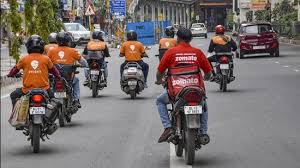
New Delhi: Aam Aadmi Party (AAP) leader and Rajya Sabha MP Raghav Chadha on Friday demanded an immediate end to the 10-minute delivery model followed by quick commerce platforms, calling it an act of “cruelty” that pushes gig workers to risk their lives under unbearable pressure.
Raising the issue during Zero Hour in the Upper House, Chadha made a powerful emotional appeal, reminding lawmakers that delivery workers are not machines but human beings with families depending on them. “These people are not robots. They are someone’s father, husband, brother or son. When we demand 10-minute delivery, we must also think about the human cost behind that convenience. The cruelty of 10-minute delivery must end,” he told the House.

“Invisible Wheels of the Indian Economy”
Chadha described gig workers associated with platforms such as Zomato, Swiggy, Blinkit, Zepto, Ola, Uber and home service aggregators as the “invisible wheels of the Indian economy”, whose contribution remains largely unacknowledged despite powering the country’s digital convenience revolution.
“Every day, we click a button on a mobile app and get a notification—‘your order is on the way’, ‘order delivered’, ‘your ride has arrived’. But behind every such notification is a human being whose struggles we never see,” he said.
Highlighting the irony of the sector’s growth, Chadha noted that quick-commerce companies have achieved billion-dollar valuations and unicorn status. At the same time, the condition of gig workers, he said, remains worse than that of many daily wage labourers. He pointed out that despite being central to these booming platforms, most gig workers continue to operate without job security, stable income, paid leave, or social protection.
Speed Pressure, Customer Harassment and Unsafe Working Conditions
The AAP MP outlined three significant challenges plaguing gig workers today. First, extreme pressure from speed and delivery deadlines; second, Customer harassment and ratings-linked threats; and third, Dangerous and inhumane working conditions.
On the dangerous culture created by 10-minute delivery promises, Chadha said workers are often forced to overspeed and jump red lights in fear of harsh penalties imposed by platform algorithms. “A delivery boy standing at a red light keeps thinking—if I am late, my rating will fall, my incentive will be cut, my app may log out, or my ID may get blocked. That fear makes him overspeed, jump traffic signals and put his life at stake for a 10-minute delivery,” he said.
He also highlighted the psychological pressure from customers, noting that even a 5- to 7-minute delay often results in scolding, threats, and 1-star ratings, which can severely impact a worker’s monthly earnings and job stability.
On working conditions, Chadha said most gig workers work 12 to 14 hours daily, braving extreme heat, rain, and cold, without adequate protective gear, special bonuses, or a hazard allowance. “Unlike factory workers, they do not have permanent employment, regulated work hours or guaranteed health and accident insurance,” he said.
Despite these hardships, Chadha said, gig workers continue to mask their pain and insecurity with a forced smile. “Even after all this, when they deliver your order, they smile and say, ‘Sir, thank you, please give me a 5-star rating’. This is the invisible suffering behind our digital comfort,” he told the House.