



Listen To This Post
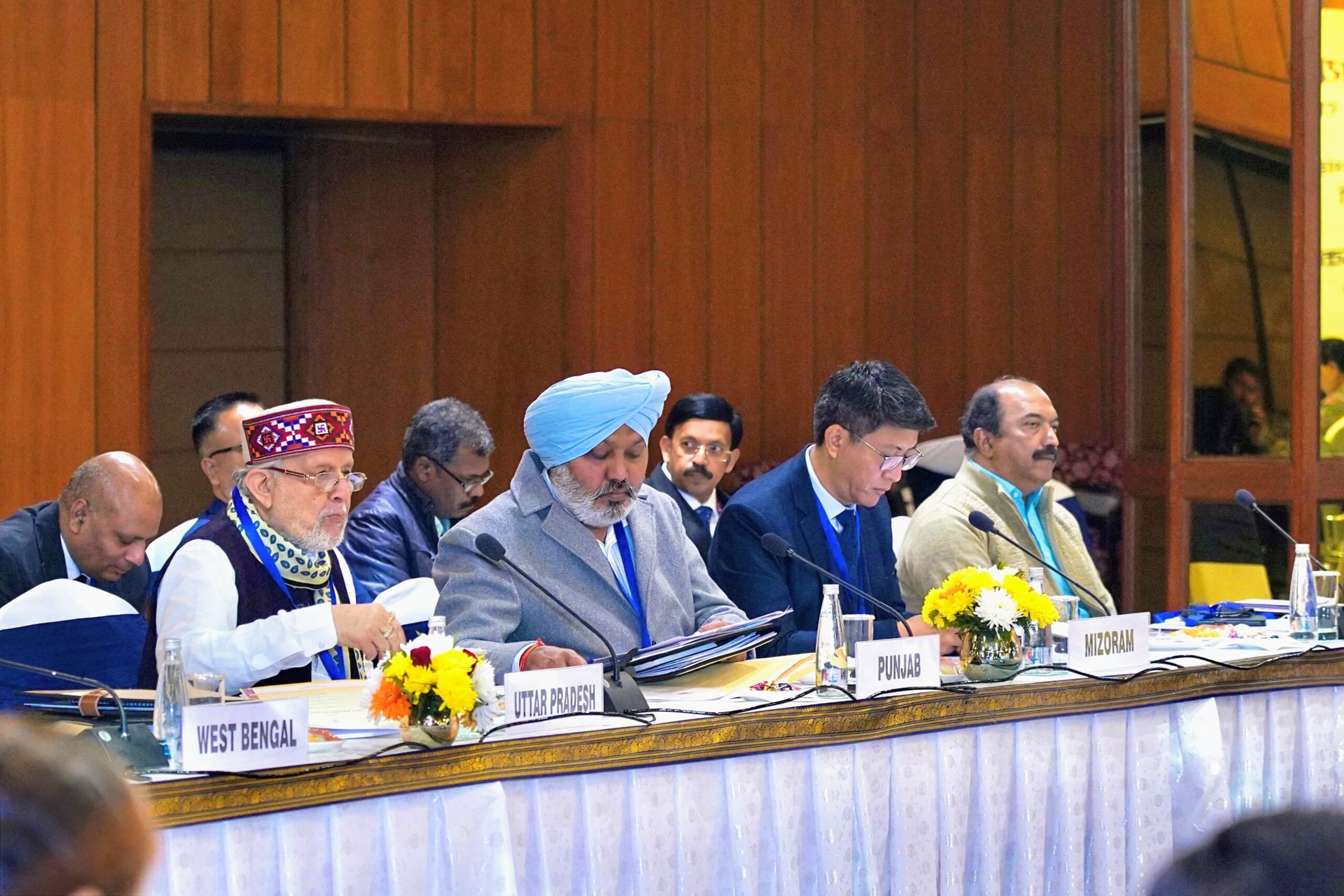
During a pre-Budget consultation with Union Finance Minister Nirmala Sitharaman in New Delhi, Cheema submitted a detailed memorandum outlining Punjab’s key demands for the Union Budget 2026–27, urging the Centre to recognise the state’s unique challenges as a border region grappling simultaneously with security pressures and climate-induced disasters.
New Delhi / Chandigarh: Punjab Finance Minister Harpal Singh Cheema on Saturday made a strong pitch for a special fiscal package for the state, citing the twin shocks of heightened India–Pakistan border tensions and devastating floods in 2025, which together inflicted severe economic and infrastructural damage on Punjab.
During a pre-Budget consultation with Union Finance Minister Nirmala Sitharaman in New Delhi, Cheema submitted a detailed memorandum outlining Punjab’s key demands for the Union Budget 2026–27, urging the Centre to recognise the state’s unique challenges as a border region grappling simultaneously with security pressures and climate-induced disasters.
Border State Under Strain
Describing Punjab as the country’s “first line of defence”, Cheema said prolonged security tensions along the international border disrupted economic activity, trade and daily life across large parts of the state. This was followed by what he termed the worst floods in decades, officially classified by the Ministry of Home Affairs as a severe calamity.
According to the memorandum, floods affected over 2,300 villages and nearly 20,000 families, with damage assessments pegging losses at ₹12,905 crore. To manage rehabilitation and reconstruction, Punjab has sought permission for a one-time additional borrowing limit of 1% of GSDP for 2025–26 under the FRBM Act provisions applicable during natural disasters and national security emergencies.
₹1,000 Crore Sought for Police Modernisation
Highlighting emerging security challenges, including cross-border threats and drone-based narcotics smuggling, Cheema demanded ₹1,000 crore in special central assistance for police modernisation. The funds, he said, would be used to upgrade emergency response systems, strengthen border security infrastructure and deploy advanced anti-drone technology.
“This should be viewed as cooperative federalism in action, not as a concession,” the Finance Minister said, arguing that Punjab bears a disproportionate national security burden.
RDF Dues, GST Losses and Farm Stress
Cheema urged the Centre to immediately release ₹7,757 crore in pending Rural Development Fund (RDF) dues, stressing that the funds are critical for maintaining rural roads and infrastructure.
On GST, he flagged what he called a structural revenue shock following GST 2.0 reforms, claiming Punjab is facing an annual revenue loss of nearly ₹6,000 crore, around 44% of its own tax revenue. He pressed for a predictable GST stabilisation or compensation mechanism to safeguard states’ fiscal sustainability.
In agriculture, the Finance Minister sought enhanced incentives for crop diversification, proposing that paddy diversification incentives be raised to ₹15,000 per acre from the existing level, to curb groundwater depletion and reduce dependence on water-intensive crops.
MGNREGA, Health and Power Sector Concerns
Cheema also opposed the proposed restructuring of MGNREGA under the “Viksit Bharat Guarantee for Rozgar and Ajeevika Mission”, arguing that it weakens the demand-driven employment guarantee and shifts financial burdens onto states.
On public health, he flagged a sharp cut in National Health Mission (NHM) cash allocations for Punjab—from an initially indicated ₹452.78 crore to ₹252 crore—and sought restoration of the original amount to ensure uninterrupted health services.
The memorandum further raised issues related to flood management, water resources, and the power sector, including demands for support for PMKSY canal projects, the release of pending dam dues, reinstatement of coal freight concessions, and a reduction in renewable energy trading margins.
Appeal for Cooperative Federalism
Concluding his submission, Cheema said Punjab’s experience in 2025 underscored the need for flexible and responsive fiscal support from the Centre. “A border state recovering from both security pressures and climate disasters requires special consideration. The Union Budget must reflect the true spirit of cooperative federalism,” he said.