







Listen To This Post
New Delhi: India’s international air connectivity faced fresh disruption on Thursday after Iran shut its airspace amid escalating tensions in the region, forcing carriers to reroute long-haul flights and cancel select services to the United States and Europe.
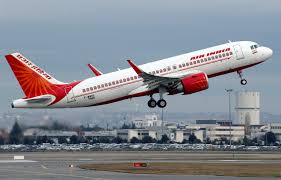
State-run carrier Air India cancelled at least three US-bound flights—two from New Delhi to New York and Newark, and one from Mumbai to New York—while warning of delays on specific European routes.
In a statement posted on X, Air India said that due to the “emerging situation in Iran and the subsequent closure of its airspace,” flights that usually overfly the region are now being diverted via alternative routes, impacting schedules. “Some Air India flights where rerouting is currently not feasible are being cancelled. We regret the inconvenience caused to our passengers due to this unforeseen disruption,” the airline said.
Air India traditionally uses Iranian airspace for its US and Europe operations. While an alternative routing over Iraq is being explored, aviation sources said the longer flight time poses fuel limitations on specific ultra-long-haul sectors, particularly to the United States, making cancellations unavoidable.
The impact is compounded by Pakistan’s ongoing airspace restrictions, which have already forced Indian carriers to take longer westbound routes over the past year, increasing flight times and operational costs.
Other Indian airlines also flagged disruptions. IndiGo said some of its international flights may be affected by the sudden airspace closure and that teams are assisting passengers with alternative arrangements. SpiceJet similarly cautioned that select services could be delayed or rescheduled.
Overseas context and global ripple effects
The Iranian airspace closure comes amid rising tensions between Tehran and Washington, as global airlines increasingly avoid parts of West Asia due to security concerns. International carriers from Europe and East Asia have also begun recalibrating flight paths, adding to congestion in limited safe corridors and pushing up fuel burn and costs across the industry.
Aviation analysts say prolonged restrictions could disrupt peak winter schedules between India and North America—one of the busiest long-haul corridors—while also affecting cargo flows and connections to Europe. Passengers have been advised to check flight status with airlines and allow for longer travel times as the situation evolves.