


Listen To This Post
Special DGP AS Rai and NHAI Regional Officer Rakesh Kumar review advanced traffic systems and joint enforcement mechanisms.
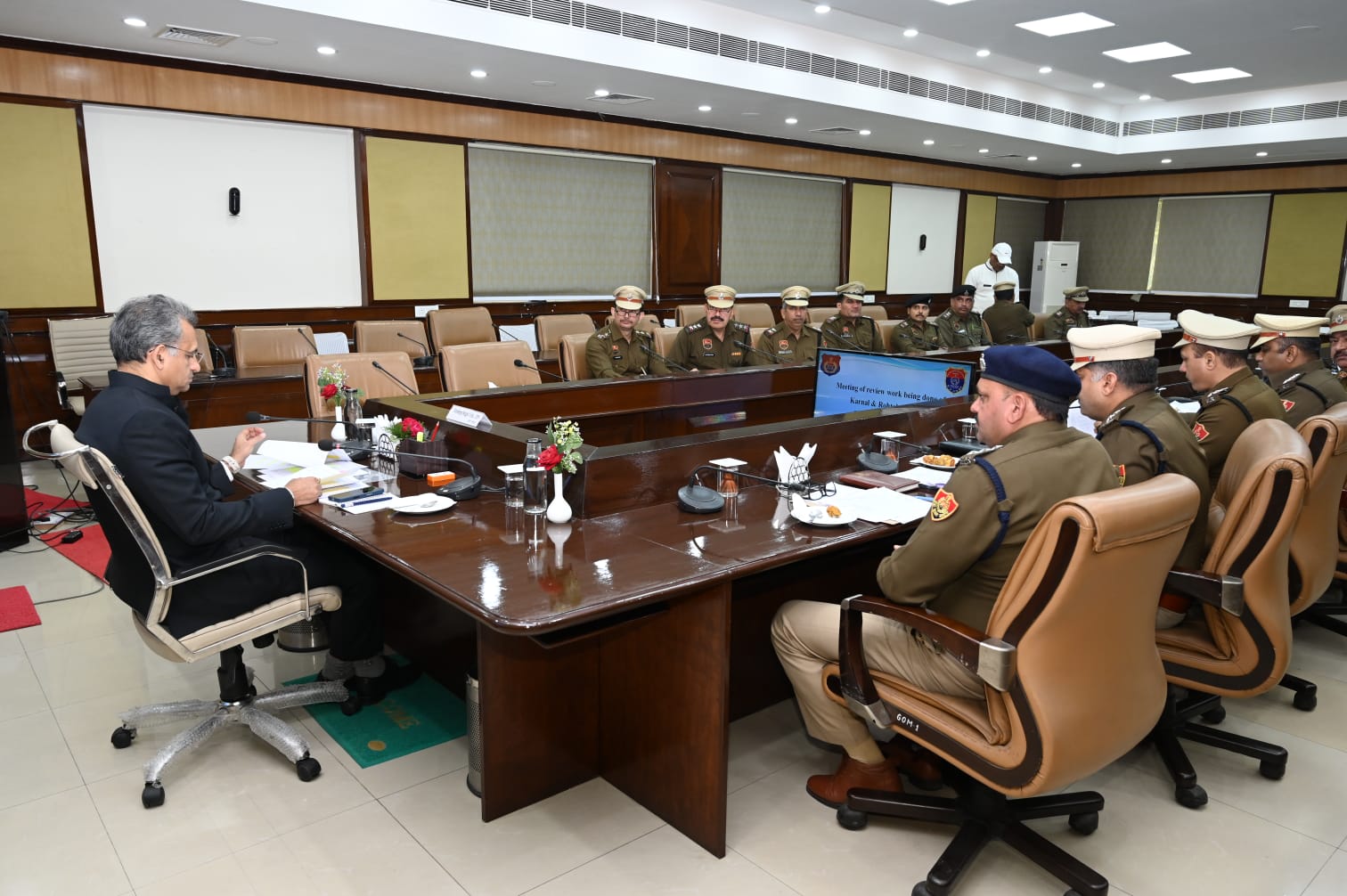
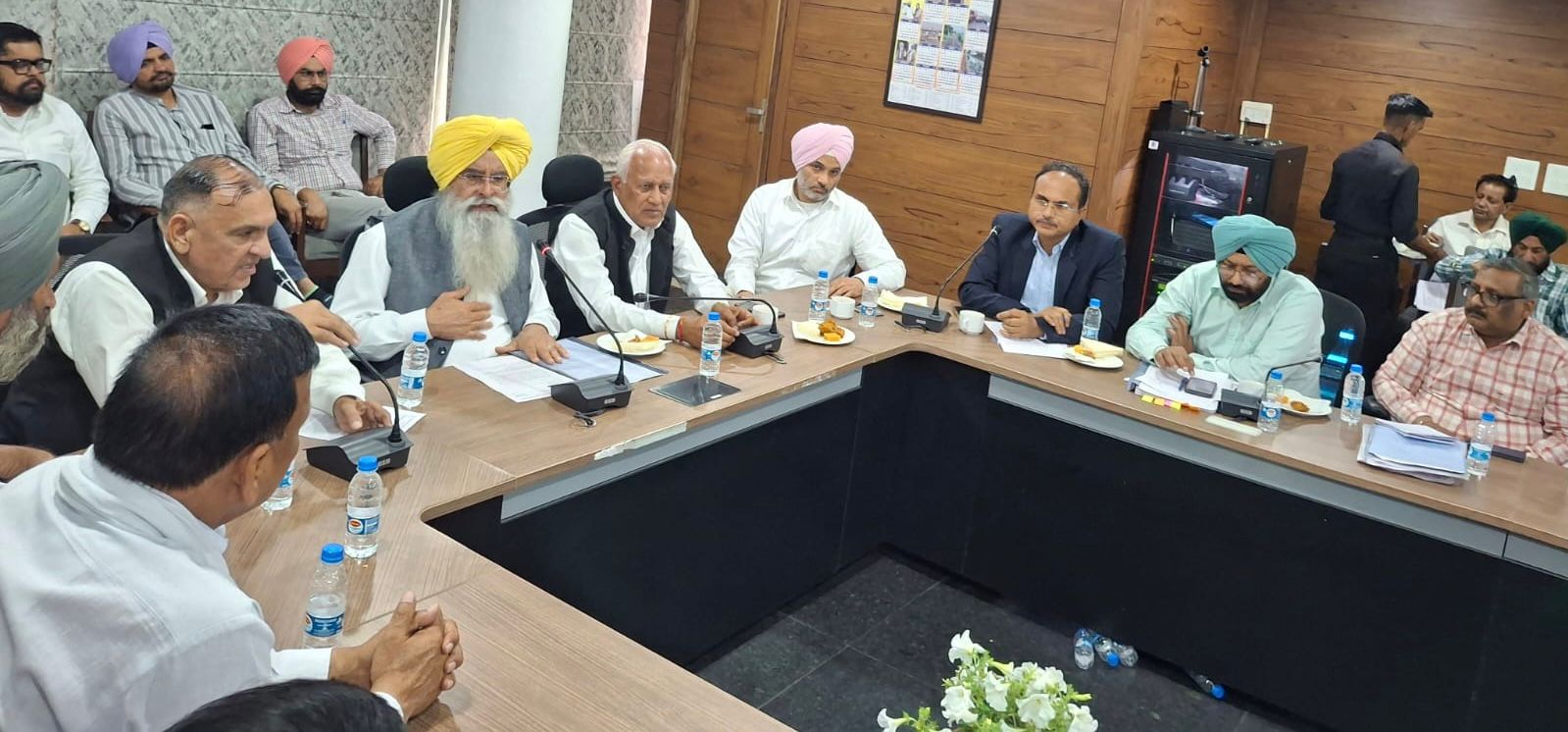
Chandigarh: In a significant step towards improving highway safety and easing traffic flow, Punjab Police and the National Highways Authority of India (NHAI) on Wednesday held a high-level coordination meeting to further strengthen inter-agency collaboration through technology-driven and enforcement-backed interventions.
The meeting, chaired by AS Rai, Special Director General of Police (Traffic and Road Safety), Punjab, and Rakesh Kumar, Regional Officer, NHAI (Chandigarh), leveraging modern technology to make Punjab’s roads safer and more efficient.
A key focus of the deliberations was the optimal utilisation of Advanced Traffic Management Systems (ATMS) across existing and upcoming national highway corridors, including the newly commissioned Kurali–Kharar–Mohali Bypass. Officials reviewed how ATMS infrastructure—such as high-definition surveillance cameras, speed detection devices, and variable message signboards—can be more effectively integrated with enforcement and response mechanisms.
Sharing details of the meeting, Special DGP AS Rai said both agencies discussed the integration of traffic enforcement protocols with ATMS-generated data to enable real-time monitoring, automatic detection of violations, and swift, coordinated response to accidents or traffic disruptions. He noted that technology-backed enforcement would not only improve compliance but also enhance transparency and efficiency.
To strengthen on-ground presence and public assistance, the two agencies agreed to upgrade Traffic Aid Posts at major toll plazas as well as at strategic non-toll locations along key highway stretches. These upgraded facilities will improve visibility, offer quicker assistance to commuters, and act as nodal points for enforcement and emergency response. AS Rai added that a seamless operational linkage between Punjab Police’s State Safety Force (SSF) units and NHAI field teams would ensure faster response times across major corridors.
The meeting also reviewed the proposed integration of emergency helplines 1033 (NHAI) and 112 (Punjab Police) to create a unified incident escalation mechanism. This integration is expected to streamline the deployment of ambulances, recovery vans, cranes, and highway patrol units, while avoiding duplication of resources and delays in response.
Persistent congestion issues around Chandigarh and Rajpura were examined in detail, with NHAI committing to undertake targeted engineering and traffic management improvements within the next two to three months. The agencies further agreed on regular joint identification and evaluation of accident-prone “black spots”, supported by data analytics and research inputs from the Punjab Police State Transport Research Centre (PRSTRC).
Reiterating Punjab Police’s commitment, Special DGP AS Rai said, “We will work together so that the best possible safety and security services are delivered to the state’s commuters. Technology, when combined with coordinated enforcement, can significantly reduce accidents and save lives.”
Highlighting the importance of collaborative action, NHAI Regional Officer Rakesh Kumar remarked, “Engineering solutions are far more effective when supported by strong enforcement. Punjab is already among the leading states in road safety initiatives, and our joint efforts will further strengthen this ecosystem to ensure that every precious life is protected.”
Senior officials present at the meeting included Traffic Advisor to the Government of Punjab Dr Navdeep Asija, Project Director, PIU-Chandigarh Aashim Bansal, and DSP Traffic & Road Safety Ganesh Kumar, among others.