




Listen To This Post
Chandigarh: Public health and policy experts from across South Asia on Thursday underscored the growing threat posed by the illicit tobacco trade, calling it a serious economic drain and a public health crisis that disproportionately harms people with low incomes and the youth.
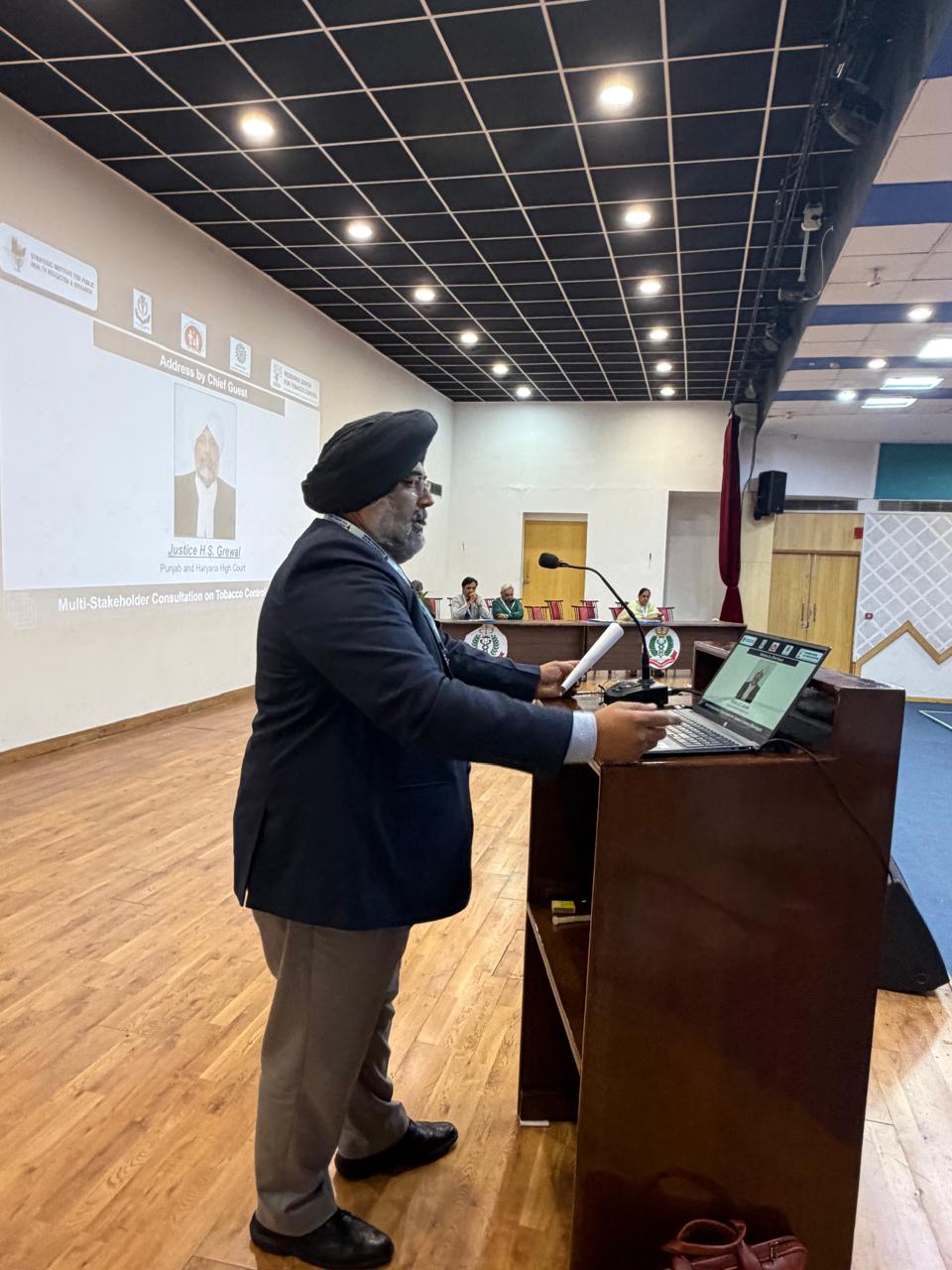
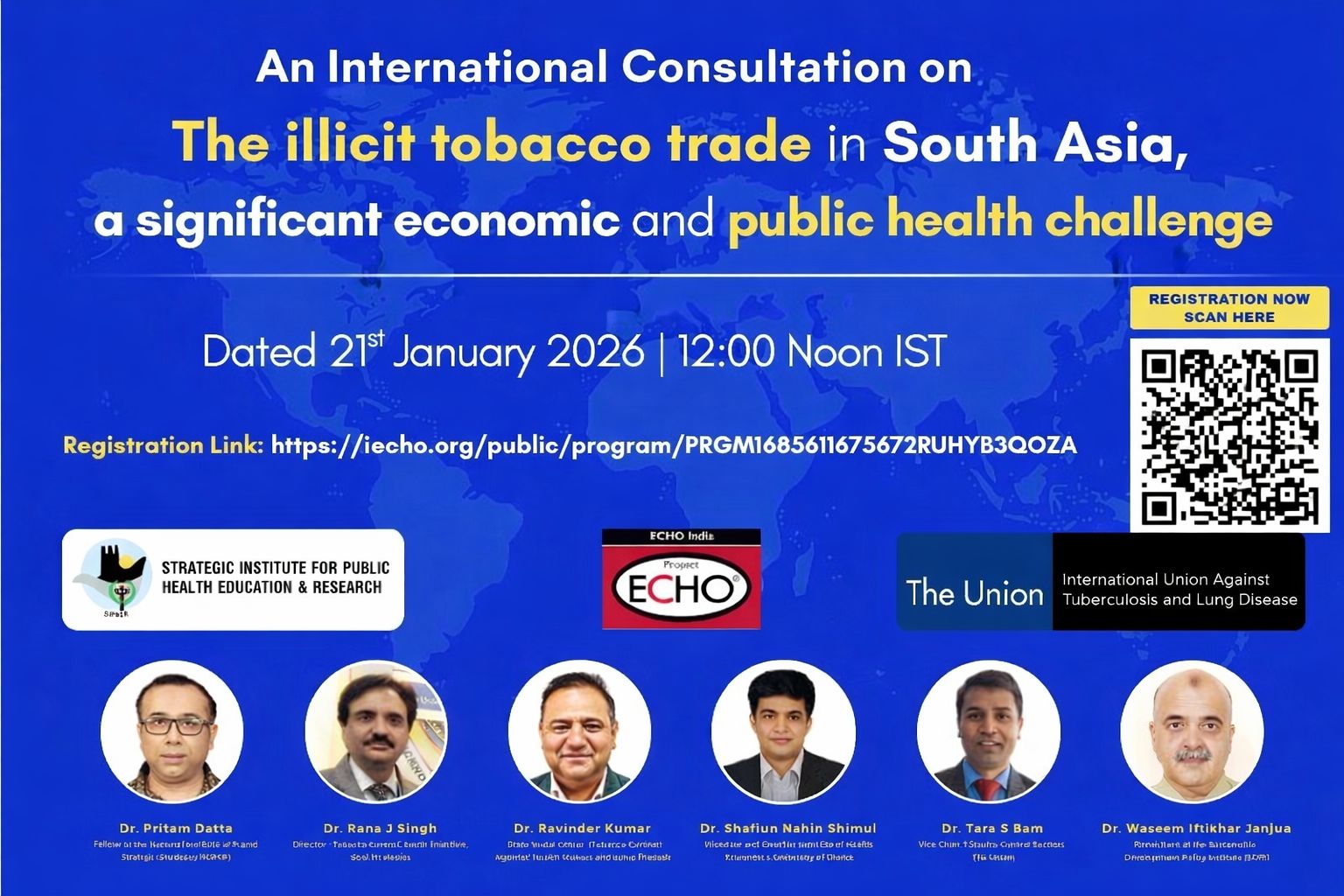
The concerns were raised during an International Consultation on “The Illicit Tobacco Trade in South Asia: A Significant Economic and Public Health Challenge”, organised by the Tobacco Control Section of The International Union Against Tuberculosis and Lung Disease in collaboration with the Strategic Institute of Public Health Education and Research (SIPHER) and ECHO India.
Experts participating in the consultation included Dr Pritam Datta (National Institute of Public Finance and Policy), Dr Shafiun Nahin Shimul (University of Dhaka), Dr Waseem Iftikhar Janjua (SDPI and NUST, Islamabad), Dr Tara S Bam (Vice Chair, Tobacco Control Section, The Union), and Dr Ravinder (State Nodal Officer, NTCP, Himachal Pradesh). The panel examined common patterns, challenges and policy responses to illicit tobacco across India, Bangladesh, Pakistan and Timor-Leste.
The experts noted that despite differences in regulatory capacity, South Asian countries face similar problems—tax evasion, porous borders, weak supply-chain controls and the growing presence of counterfeit and smuggled cigarettes. These factors undermine tobacco taxation policies, increase product affordability and weaken public health interventions.
Delivering the concluding remarks, Chief Guest Dr Rana J Singh, Director (Tobacco Control), Vital Strategies, explained that illicit tobacco includes smuggled cigarettes intended to evade taxes, contraband products brought in without paying domestic duties, and counterfeit cigarettes manufactured illegally to deceive consumers. He warned that illicit trade not only erodes government revenues but also fuels illegal activities, while making tobacco cheaper and more accessible to vulnerable populations, particularly youth and low-income groups.
Dr Rakesh Gupta, Chair of the Tobacco Control Section of The Union, who moderated the session, said a set of recommendations had been finalised for key ministries. For the Ministry of Finance, experts advocated a multi-pronged strategy involving more vigorous enforcement, enhanced surveillance and improved regional cooperation. Key measures included regulating online tobacco sales, strengthening penalties, and implementing a robust track-and-trace system across the supply chain in line with the WHO Framework Convention on Tobacco Control Protocol to Eliminate Illicit Trade in Tobacco Products, which India has ratified.
The panel also stressed calibrated taxation—regular, predictable tax increases rather than sudden hikes—to reduce affordability without incentivising smuggling. Regional and inter-agency cooperation, public awareness campaigns and earmarking tobacco tax revenues for health programmes were also recommended.
For the Ministry of Health and Family Welfare (MoHFW), the discussion highlighted its central role in policy formulation, treaty implementation and coordination. As the nodal ministry for the Cigarettes and Other Tobacco Products Act (COTPA), 2003, MoHFW has introduced regulatory measures such as 85% pictorial health warnings, non-compliance with which categorises products as illicit. Through the National Tobacco Control Programme, the ministry supports enforcement training, laboratory testing infrastructure and state-level monitoring. It also leads inter-ministerial coordination and operates a national helpline to report violations.
Experts agreed that tackling illicit tobacco requires sustained political will, coordinated governance and regional collaboration to protect public health while safeguarding legitimate revenues.