


Listen To This Post
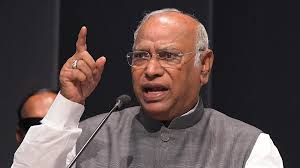
New Delhi: A day after the BJP approached the Election Commission of India over Congress president Mallikarjun Kharge allegedly referring to Prime Minister Narendra Modi as a “terrorist”, the poll body on Wednesday took serious note of the matter and issued a notice seeking his explanation within 24 hours, signalling swift institutional intervention in an escalating political controversy.
The complaint, filed on April 21 by Union minister Kiren Rijiju, urged the Commission to act against what the BJP described as a “shocking and disgraceful remark” that violated the Model Code of Conduct and undermined democratic norms. In its submission, the party demanded a public apology from Kharge and called for the immediate removal of the statement from all media and social media platforms, arguing that such language amounted to a direct attack on constitutional institutions.
According to officials, the Commission has treated the issue with seriousness and sought Kharge’s response on an urgent basis, indicating that it will examine whether the remark attracts action under relevant provisions of the Bharatiya Nyaya Sanhita, particularly Sections 175 and 356(1), which deal with false statements affecting a candidate’s character and defamation, respectively. The BJP, in its letter, also requested directions to halt further dissemination of the statement and to ensure its removal from digital platforms.
The controversy stems from remarks made by Kharge during the final phase of campaigning in Tamil Nadu on April 21, in which, while attacking the BJP and criticising the AIADMK for supporting the ruling party, he reportedly described Modi as a “terrorist who does not believe in equality”. The statement quickly triggered sharp political reactions, with the BJP framing it as part of a pattern of personal attacks and escalating rhetoric in electoral politics.
With the ECI now stepping in, the focus shifts to Kharge’s response and the Commission’s subsequent decision, which could set the tone for how far political speech can go during high-stakes election campaigns and whether stricter enforcement of the Model Code of Conduct will follow in cases involving personal or inflammatory remarks.