


Listen To This Post
Prominent AAP leaders who could not deliver wins on home turf include Vidhan Sabha Speaker Kultar Singh Sandhwan (Sandhwan village), Agriculture Minister Gurmeet Singh Khudian (Khudian), MPs Raj Kumar Chabbewal (Manjhi) and Gurmeet Singh Meet Hayer (Kurar).
Chandigarh: Punjab’s ruling Aam Aadmi Party (AAP) swept the zila parishad and panchayat samiti elections held on December 14, consolidating its statewide dominance even as several of its senior leaders failed to secure victories for party candidates in their own villages. Prominent AAP leaders who could not deliver wins on home turf include Vidhan Sabha Speaker Kultar Singh Sandhwan (Sandhwan village), Agriculture Minister Gurmeet Singh Khudian (Khudian), MPs Raj Kumar Chabbewal (Manjhi) and Gurmeet Singh Meet Hayer (Kurar), party chief spokesperson Kuldeep Dhaliwal (Jagdev Kalan), MLAs Sukhveer Singh Maiserkhana, Master Jagsir Singh, Kulwant Singh Pandori, and chief whip Baljinder Kaur.
Except in Manjhi and Pandori, where the Congress emerged victorious, AAP candidates in these villages were defeated mainly by the Shiromani Akali Dal (SAD). In a striking result, AAP secured just one vote in Loham village (Ferozepur), while the BJP managed only one vote in Chief Minister Bhagwant Mann’s native Satauj village.
AAP Claims Historic Mandate
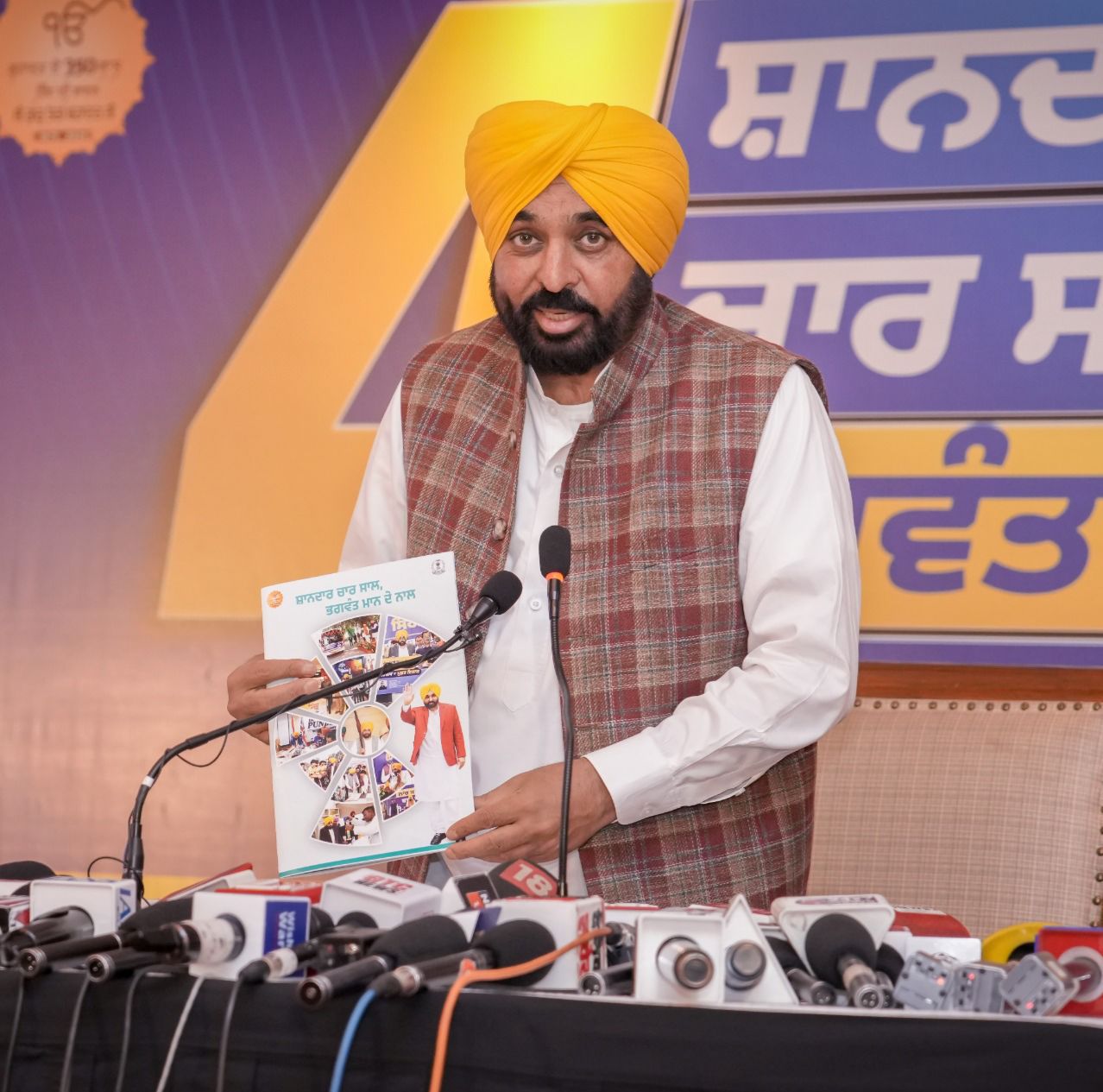
AAP state president Aman Arora, while acknowledging local setbacks, described the elections as the “most free and fair” in Punjab’s history, crediting the party’s performance to governance outcomes. “People have voted based on AAP’s public work,” he said, claiming victories in 88 per cent of zila parishad seats and 68 per cent of panchayat samiti seats. AAP dominated the Majha region, but faced stiff resistance in Malwa, where both the Congress and SAD made significant inroads.
Opposition Punches Above Weight in Panchayat Samitis
While AAP’s grip on zila parishads remained strong, Opposition parties collectively captured over 30 per cent of panchayat samiti seats, signalling a more competitive rural landscape ahead of the 2027 Assembly elections, now just 14 months away. By 11.15 pm on Wednesday, results had been declared for 120 of 346 zila parishad zones and 1,605 of 2,838 panchayat samiti zones. AAP had won 80 zila parishad and 828 panchayat samiti seats, followed by the Congress.
SAD Shows Signs of Revival
A key takeaway was the revival of the Shiromani Akali Dal, which won 152 panchayat samiti seats and six zila parishad seats, performing strongly in Faridkot, Bathinda, Mansa and Muktsar—regions where it had been politically marginalised for nearly a decade.
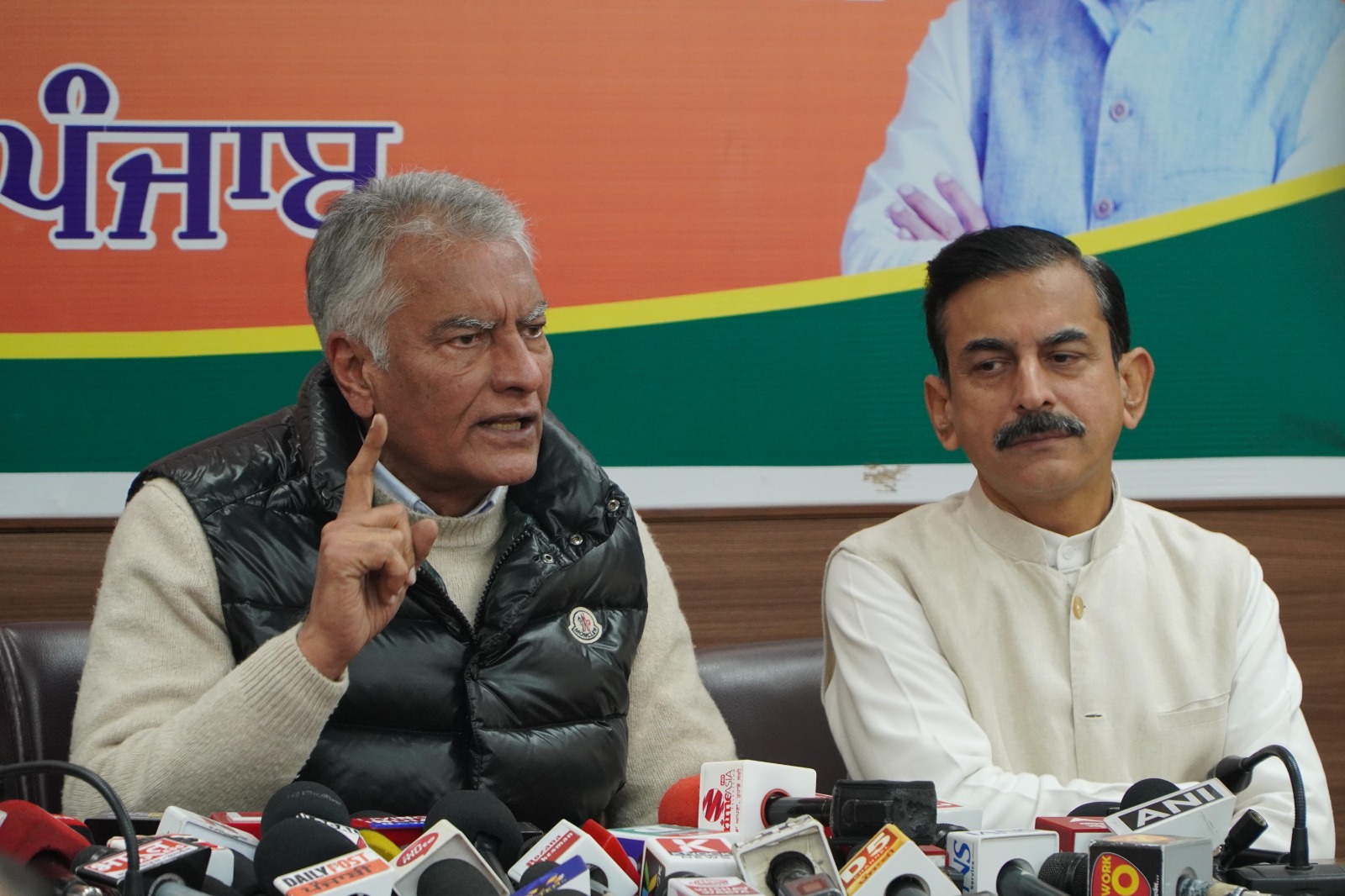
SAD president Sukhbir Singh Badal alleged large-scale misuse of official machinery. Nomination papers of nearly 1,100 panchayat samiti and 100 zila parishad candidates were rejected. Despite this, the SAD is steadily regaining ground,” he said.
Congress Holds Its Ground, BJP Falters
The Congress registered a respectable showing, winning 18 zila parishad and 196 panchayat samiti seats, remaining competitive in Jalandhar, Nawanshahr, Kapurthala and Chamkaur Sahib. State Congress chief Amrinder Singh Raja Warring said internal controversies, including the Navjot Kaur Sidhu episode, did not dent the party’s base.
The BJP, meanwhile, struggled to convert organisational push into votes, managing only 26 panchayat samiti and two zila parishad seats, with analysts attributing the poor showing to recent controversies over Chandigarh administration and Panjab University.
BSP Emerges as Regional Factor
In Phillaur, the Bahujan Samaj Party (BSP) won nine block samiti seats. At the same time, statewide it secured 16 panchayat samiti and three zila parishad seats in Jalandhar, emerging as a third force in select pockets.
Curtain-Raiser for 2027
Traditionally tilted in favour of ruling parties, Punjab’s rural polls—won by the Akali-BJP alliance in 2008 and 2013 and by the Congress in 2018—are widely seen as a political barometer ahead of the next Assembly elections. This time, while AAP’s statewide sweep reinforces its authority, localised setbacks, Opposition resilience and SAD’s revival suggest that Punjab’s political contest is far from one-sided as 2027 approaches.