



Listen To This Post
New Delhi: The alleged suicide of Punjab Warehousing Corporation district manager Gagandeep Singh Randhawa triggered a political storm in Parliament on Monday, with members across parties demanding a Central Bureau of Investigation (CBI) probe and the Centre indicating its willingness to step in.
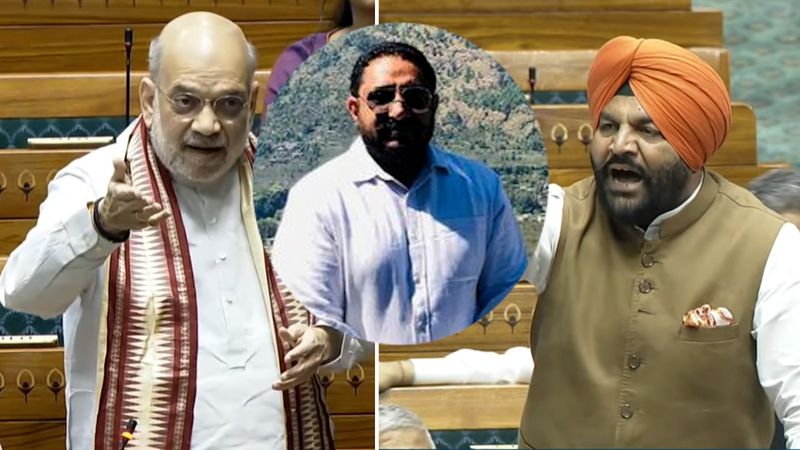
Raising the issue during Zero Hour in the Lok Sabha, Congress MP Gurjeet Singh Aujla cited a purported video in which Randhawa allegedly blamed former Punjab minister Laljit Singh Bhullar for harassment leading to his extreme step. Responding to the demand, Union Home Minister Amit Shah said that MPs from Punjab could submit a written representation seeking a CBI probe, assuring the House that he would take up the matter.
The issue quickly snowballed into a larger political confrontation, with Union Minister Ravneet Singh Bittu alleging a complete breakdown of law and order in the state. Referring to the video evidence, Bittu claimed that Randhawa was threatened and pressured to award a warehousing contract to Bhullar’s father. He warned that failure to act swiftly could allow the accused to evade justice. “In Punjab, there is the rule of goons, not law,” he said, intensifying the attack on the Aam Aadmi Party (AAP) government.
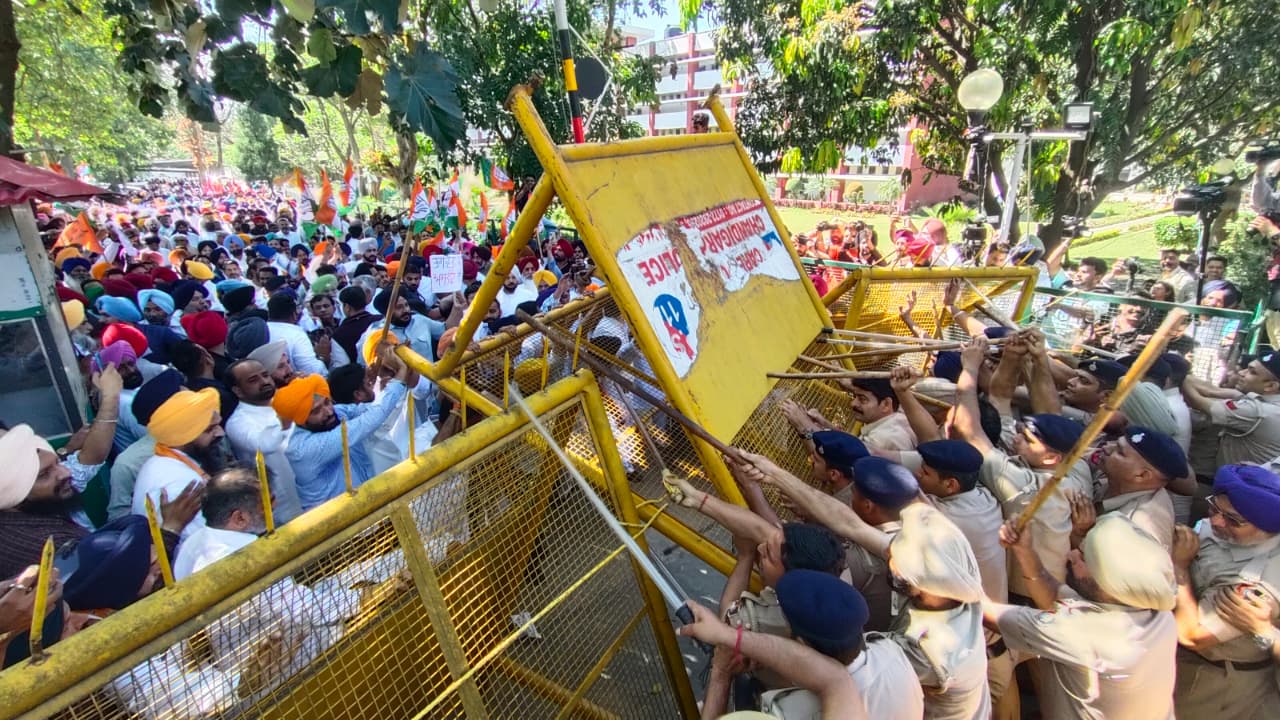
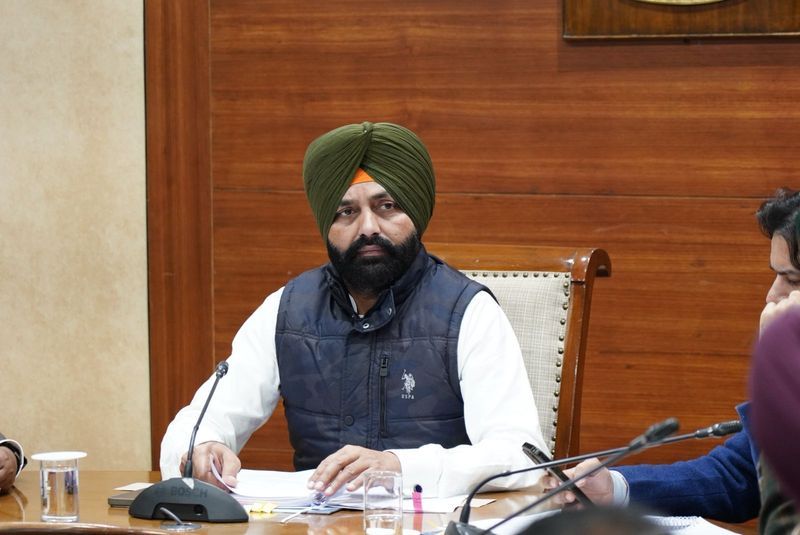
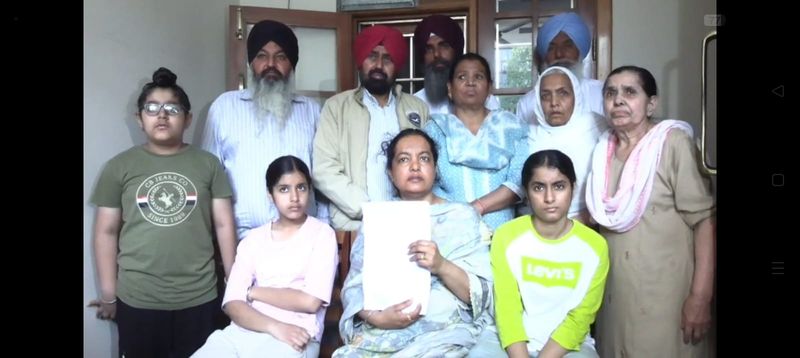
The demand for a CBI probe has gained traction across the political spectrum. While Congress and BJP leaders pressed for a central investigation in Parliament, Shiromani Akali Dal leader Bikram Singh Majithia had earlier termed the state government’s response an “eyewash” and called for a probe by an independent agency. Opposition parties have also questioned the Bhagwant Mann government for initially limiting its action to seeking Bhullar’s resignation. On Monday, at afternoon, Laljit Bhullar was arrested as the Randhawa family also denied the postmortem and opposition parties’ pressure also mounted on the AAP government.
The controversy carries significant political implications for Punjab, especially with the 2027 Assembly elections on the horizon. What began as a state-level administrative issue has now escalated into a national political flashpoint, putting the AAP government under intense scrutiny. The opposition is attempting to frame the episode as evidence of political interference, intimidation, and erosion of governance standards, directly challenging AAP’s core plank of clean and transparent politics.
With the Centre signalling openness to a CBI probe, the case could potentially evolve into a Centre-versus-state political tussle, a narrative that has historically resonated strongly in Punjab. At the same time, the emotional pitch of the issue—amplified by references to justice for the deceased officer’s family—may further deepen its political impact on the ground.
As developments unfold, the trajectory of the investigation and the state government’s response will be closely watched. The handling of the case is likely to shape public perception. It could emerge as a key political issue in the run-up to the 2027 elections, testing the credibility of the ruling AAP while providing the opposition with a potent campaign narrative.