





Listen To This Post
The Natural Gas (Supply Regulation) Order, 2026, prioritises CNG, PNG, and LPG production and the fertiliser sector amid the Strait of Hormuz crisis, which disrupts imports.
New Delhi: Amid disruptions in Liquefied Natural Gas (LNG) shipments due to escalating tensions in the Middle East, the Union Government has issued a special order to regulate the production, supply and distribution of natural gas across the country.
The order — Natural Gas (Supply Regulation) Order, 2026 — has been notified by the Ministry of Petroleum and Natural Gas under Section 3 of the Essential Commodities Act, 1955, to ensure equitable distribution of gas to critical sectors.
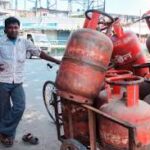
The move comes after LNG shipments through the strategically vital Strait of Hormuz — which carry a majority of India’s LPG and LNG import consignments — were disrupted as several suppliers invoked force majeure clauses amid the ongoing West Asia conflict.
Four Priority Sectors Identified
The government has created a four-tier priority allocation framework to safeguard supplies for essential sectors.
Priority Sector I will receive 100 per cent of the average gas consumption during the previous six months, subject to operational availability. This category includes:
-
Domestic Piped Natural Gas (PNG)
-
Compressed Natural Gas (CNG) is used in transport.
-
LPG production, including shrinkage requirements
-
Essential pipeline operations, such as compressor fuel
Priority Sector II covers fertiliser plants, which will receive at least 70 per cent of their average gas consumption over the past six months. The gas must strictly be used for fertiliser production, with units required to submit certification to the Petroleum Planning and Analysis Cell (PPAC).
Priority Sector III includes industries such as tea manufacturing and other industrial consumers connected to the national gas grid, which will receive around 80 per cent of their average consumption.
Priority Sector IV covers industrial and commercial consumers supplied through City Gas Distribution (CGD) networks, who will also receive about 80 per cent of their past average consumption, subject to availability.
Non-Priority Sectors to Face Curtailment
To ensure sufficient gas supply for priority sectors, the order allows the government to reduce supplies to non-priority consumers first.
Petrochemical facilities such as ONGC Petro Additions Limited, GAIL’s Pata Petrochemical Complex, and Reliance Industries’ oil-to-chemicals units will initially face curtailments.
If shortages persist, power plants may also experience reduced gas supply.
Oil refineries have been directed to cut their natural gas consumption to about 65 per cent of their average usage over the previous six months, depending on operational feasibility.
GAIL to Coordinate Supply Management
GAIL will coordinate the implementation of the order in consultation with the Petroleum Planning and Analysis Cell.
GAIL will manage supply diversion and submit invoice prices of diverted gas volumes to PPAC, which will determine a pooled price for gas redirected from non-priority sectors.
Entities receiving pooled gas must provide an undertaking accepting the pooled price and ensure that the diverted gas is not resold.
Order Overrides Existing Contracts
The government has directed all stakeholders involved in natural gas production, import, transportation and marketing — including ONGC, Oil India Limited, Vedanta, LNG terminal operators, pipeline companies and City Gas Distribution entities — to comply with the revised allocation framework immediately.
The notification also makes it clear that the provisions of the order will override existing Gas Sale Agreements and commercial contracts in the event of inconsistencies.
Additionally, all entities handling natural gas, LNG or regasified LNG must submit detailed data on production, imports, stocks and consumption to the government through the Petroleum Planning and Analysis Cell, which has been designated as the nodal monitoring agency. The order came into effect immediately after its publication in the Official Gazette.