





Listen To This Post
182 Schools, 7,362 Students, 19 Mitra Kaksh and 24 CLGs Driving Participatory Policing.
Chandigarh: Haryana Police’s community policing initiatives aimed at strengthening public participation in law enforcement are emerging as an effective model at the national level. Through a series of structured programmes, the state police are not only enhancing trust between citizens and law enforcement agencies but also sensitising young people about the law, civic responsibilities and public safety.
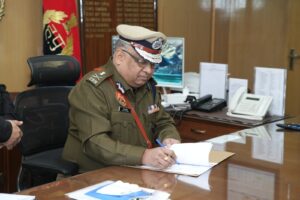
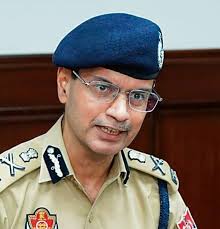
Community Policing Strengthening Public Trust: DGP Ajay Singhal
Haryana Director General of Police Ajay Singhal said community policing has become a crucial pillar of modern law enforcement, and the state police are continuously introducing innovative initiatives to deepen engagement with the public. Programmes such as the Student Police Cadet Corps (SPCC), Cyber Rahgiri, Community Liaison Groups (CLG), Mitra Kaksh and Janata Darbar have created structured platforms for meaningful interaction between the police and various sections of society. “These initiatives have significantly strengthened community participation in crime prevention while also promoting legal awareness and social responsibility among the youth,” the DGP said.
Student Police Cadet Corps Building Responsible Youth
Under the Student Police Cadet Corps (SPCC) programme, students are being introduced to the functioning of the police, law and order mechanisms, road safety norms, cybercrime awareness, drug abuse prevention and civic duties.
In 2025 alone, 7,3 62 students from 182 schools across Haryana participated in the programme, helping nurture leadership, discipline and responsible citizenship among young people.
Cyber Rahgiri Expanding Digital Safety Awareness
To address the growing challenge of cybercrime, Haryana Police conducts the Cyber Rahgiri campaign on the first Wednesday of every month. The initiative raises awareness about online fraud, digital security, and the Cyber Crime Helpline 1930. Between January 2025 and January 2026, these programmes reached lakhs of citizens, significantly strengthening public awareness about safe online practices.
CLGs Helping Resolve Local Disputes
To improve police–community dialogue, Community Liaison Groups (CLGs) have been formed across the state. At present, 24 CLGs are active in different districts. These groups help resolve minor disputes through community dialogue and mediation. Between 2025 and January 2026, hundreds of complaints were settled through CLGs, easing the burden on courts while promoting local harmony.
Mitra Kaksh Providing Single-Window Police Services
Haryana Police has also set up Mitra Kaksh centres to provide multiple police services under a single roof. Currently, 19 Mitra Kaksh are operational in Rohtak and Karnal, offering 16 different services through a single-window system.
These centres provide services such as complaint registration, character verification, tenant verification, and police clearance certificates, enabling faster case resolution and greater convenience for citizens.
PPCC and Janata Darbar Improving Public Grievance Redressal
The Police Public Coordination Committees (PPCC) are further strengthening coordination between the police and local communities. Regular meetings help identify local concerns and address them promptly.
In addition, Janata Darbar programmes provide citizens with direct access to police officials for grievance redressal. Between 2025 and January 2026, thousands of complaints were resolved through these platforms, significantly boosting public confidence.
Strengthening Community-Based Policing
Haryana Police is also conducting awareness programmes, debates and interaction sessions in schools and universities to educate youth about the law, the Constitution and the role of policing in society. At the grassroots level, beat officers are actively involving community leaders, teachers and social organisations in policing initiatives, creating a collaborative environment for crime prevention.
These initiatives are not only strengthening law and order in Haryana but are also emerging as a robust national model of participatory and community-based policing.