


Listen To This Post
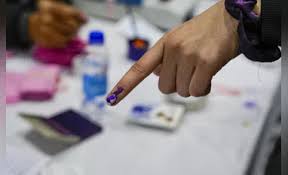
Chandigarh: The State Election Commission Haryana on Monday announced elections to the Municipal Corporations of Panchkula, Ambala and Sonipat, setting the stage for a high-stakes urban electoral contest in the state. Polling will be held on May 10, with counting scheduled for May 13, while any re-poll, if required, will take place on May 12.
Election Schedule and Spending Limits
The nomination process will begin on April 21 and continue till April 25, followed by scrutiny on April 27. Candidates can withdraw nominations until April 28, the same day election symbols will be allotted.
The Commission has fixed an expenditure limit of ₹30 lakh for mayoral candidates and ₹7.5 lakh for ward members, aiming to regulate campaign spending.
Political Contest and Key Issues
The main electoral battle is expected between the Bharatiya Janata Party and the Indian National Congress, both of which have already announced that they will contest on party symbols.
Local issues are likely to dominate the campaign narrative, particularly LPG supply concerns, urban infrastructure, and civic governance.
In Panchkula, the elections are expected to be heavily influenced by allegations surrounding major financial irregularities, including the ₹150-crore Kotak Mahindra Bank scam and the ₹590-crore IDFC First Bank and AU Small Finance Bank scam, both involving funds linked to the Municipal Corporation.
Seats, Reservations and Other Bodies
Each of Panchkula and Ambala has 20 wards, while Sonipat has 22 wards. The mayor’s posts in Panchkula and Sonipat are unreserved, whereas in Ambala, the post is reserved for a Backward Class (B) woman.
In addition, elections will also be held for the Municipal Council, Rewari, which has 32 wards, with the President’s post reserved for a Scheduled Caste woman.
Polling will also take place in three Municipal Committees:
- Uklana (Hisar) – President’s post reserved for a woman
- Dharuhera (Rewari) – Unreserved
- Sampla (Rohtak) – Unreserved
Each of these committees comprises 16 wards.
Model Code of Conduct in Force
With the announcement of the poll schedule, the Model Code of Conduct has come into immediate effect across all the notified urban local bodies, restricting new policy announcements and regulating official conduct during the election period.
The upcoming civic polls are being closely watched as a political litmus test ahead of future state-level elections, especially amid rising focus on governance, corruption allegations, and delivery of basic urban services.