




Listen To This Post
Two-Day Training Camp Held at Panchkula Under ADGP Navdeep Virk; 619 Police Personnel Participate

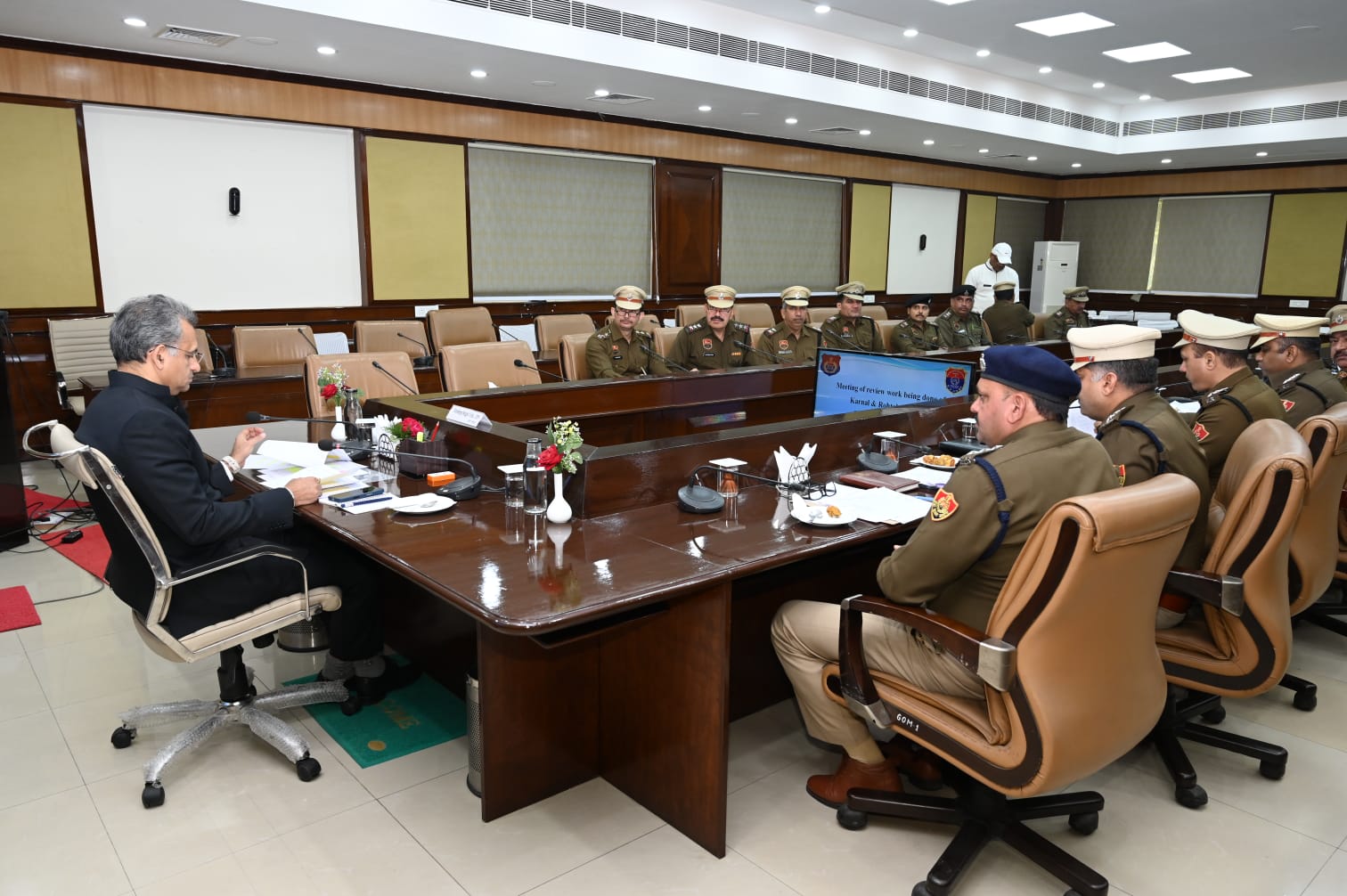
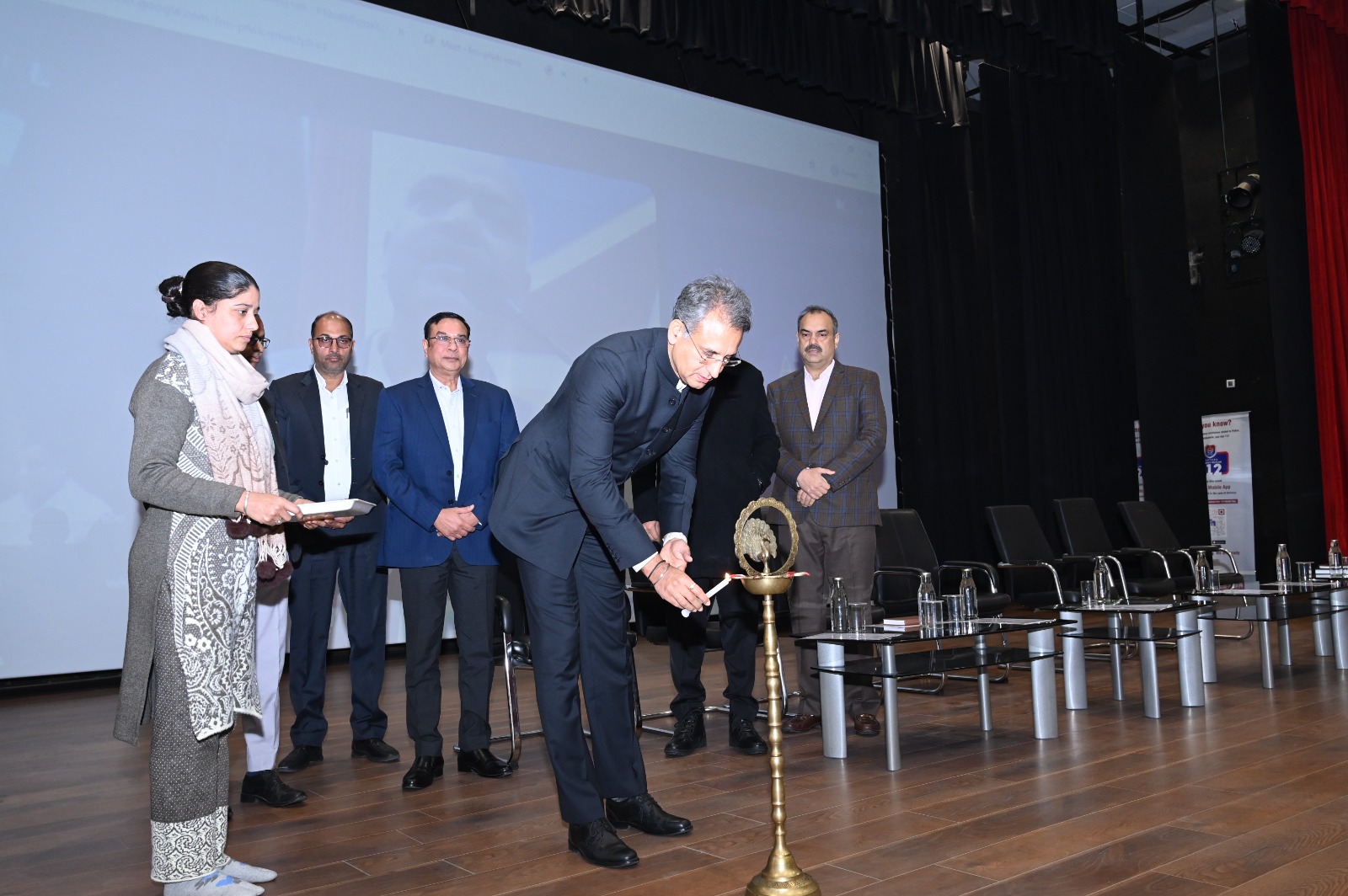
Panchkula: A two-day training camp was held at Shakti Bhawan, Panchkula, under the guidance of Additional Director General of Police (ADGP) Navdeep Virk, marking a significant milestone in the functioning of the Haryana Police’s Enforcement Bureau. The programme saw the participation of 619 police personnel, including 243 Investigating Officers, six Deputy Superintendents of Police (DSPs), and 22 Station House Officers (SHOs), making it the first such collective deliberation within the Bureau.
Detail the participation of senior police officers, prosecutors, and legal experts in the feedback-based workshop to clarify their roles and keep readers engaged with the event’s scope.
Addressing the participants, ADGP Navdeep Virk said the central objective of the training camp was to ensure that the conduct of Investigating Officers strictly adheres to the law and contributes to delivering speedy justice in the shortest possible time. He noted that Haryana, with a population exceeding 2.5 crore, has transitioned from a predominantly agrarian state to a significant industrial and economic hub, with cities such as Gurugram generating substantial, sustained revenue for the government.
“In such a rapidly changing socio-economic environment, integrated development must go hand in hand with social responsibility, particularly the responsibility to protect nature,” Virk said. He highlighted pressing concerns such as shrinking water resources, declining forest cover and the increasing frequency of natural disasters, warning that these challenges have also led to a rise in complex criminal activities. “As crime patterns evolve, investigations are becoming more demanding and multifaceted, requiring higher levels of professional competence,” he added.
Speaking about the use of technology in modern policing, BPR&D expert Gursharan emphasised the importance of digital tools for effective enforcement. He said that monitoring the growing number of unauthorised colonies requires the systematic use of digital evidence, including drone footage and Google Maps imagery. He further emphasised that tools such as NETGRID and travel history analysis should be made mandatory, as investigations are conducted in an era of global search and cross-border crime. Gursharan also pointed out that strengthened international cooperation has made it increasingly feasible to track and apprehend criminals operating from abroad.
Legal expert Deepak Boora, Deputy Director of Prosecution in the Excise Department, highlighted the Enforcement Bureau’s critical role in curbing the sale of illicit liquor. He said that the introduction of hallmarking and other monitoring mechanisms can significantly help identify and control illegal liquor networks.
Focusing on environmental crimes, Additional District Attorney (ADA) Ambala Vikram Singh drew attention to the exploitation of mineral resources and illegal mining. He stressed the need to identify and act against the forces operating behind such activities. “If timely and decisive action is not taken, the state could face catastrophic consequences,” he warned, citing several natural calamities from recent years as stark reminders.
Another ADA, Praveen Kumar, said that legal provisions are being continuously integrated into investigative practices. He added that Investigating Officers are being regularly trained to ensure that cases are built on strong legal foundations, enabling faster trials and timely justice.
Inspector General of Police Kuldeep Singh described the training exercise as unprecedented in scale and scope. He said this was the first time such an extensive collective deliberation had been organised for the Enforcement Bureau. He assured that similar initiatives will be institutionalised in the future to demonstrate an ongoing commitment to growth and improvement. “This programme, with the participation of 619 personnel, including senior supervisory officers, aims to set clear standards for the Enforcement Bureau and ensure effective implementation of new and amended laws,” he said.
Superintendent of Police Tahir Hussain termed the two-day deliberation a historic moment for the Haryana Police. “This initiative marks the beginning of a new chapter in professional training and coordinated enforcement, strengthening the Bureau’s capacity to meet present and future challenges,” he said.
The training camp concluded with a consensus to adopt technology-driven, legally robust, and environmentally conscious enforcement practices, reinforcing the Haryana Police’s commitment to effective governance and public trust.