


Listen To This Post
 Over 1,000 Flight Cancellations in Four Days Paralyse Healthcare, Weddings, Exams and Funeral Travel Across India
Written by: Aanad Swarup / Thenewsdose.com
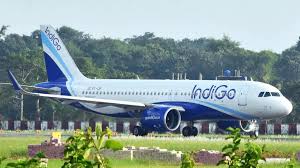
New Delhi: India’s aviation system virtually ground to a halt this week as IndiGo, which controls nearly 63 per cent of the domestic aviation market, cancelled over 1,000 flights in just four days, throwing everyday life, emergency healthcare and essential travel into chaos across the country. What began as an operational issue linked to new Flight Duty Time Limitation (FDTL) rules quickly turned into a nationwide crisis, exposing the risks of monopoly control over critical public infrastructure.
With IndiGo airlines operating more than 2,200 flights daily( 63% market share), even marginal disruptions triggered a cascading collapse of schedules across Delhi, Mumbai, Bengaluru, Hyderabad, Chennai, Chandigarh and Kolkata, leaving thousands stranded without alternatives. Other airlines were fully booked within hours, showing how deeply India’s mobility now depends on a single private carrier.
Healthcare, Emergencies Suffer as Life-Saving Travel Breaks Down
The worst impact was felt in medical and emergency travel, where cancellations translated directly into human risk. At Hyderabad airport, a critically ill patient scheduled for urgent liver surgery was stranded for over seven hours after back-to-back IndiGo cancellations, pushing the surgery back by two days. In Delhi, a 72-year-old cancer patient from Punjab spent the entire night inside Terminal 2 after his connecting flight was cancelled past midnight, without wheelchair support or medical supervision.
Doctors confirmed that several air medical transfers were disrupted, forcing patients either to postpone treatment or undertake long, risky road journeys. Families carrying oxygen cylinders and dialysis kits, and post-surgery patients, were among those hit hardest as overnight cancellations surged and assistance counters shut down.
Weddings Missed, Funerals Delayed, Students and Workers Lose Crucial Chances
Beyond hospitals, the collapse seeped into the most personal moments of life. A bride travelling from Delhi to Jaipur missed her wedding rituals after four successive delays ended in a last-minute cancellation at 2.40 a.m. In another case, a man flying from Kochi to Varanasi missed his father’s cremation after repeated rescheduling pushed his arrival back by nearly 36 hours.
Students travelling to Canada, Australia and Europe missed biometric appointments, joining dates and entrance tests. One Hyderabad student reportedly lost a ₹6.8 lakh deposit to a foreign university after failing to arrive on time. Daily-wage workers moving between Surat, Pune, Bengaluru and Gurugram lost confirmed jobs and a week’s wages, unable to afford last-minute high-priced tickets on other airlines.
Airports Turn Into Overnight Shelters as Passenger Support Collapses
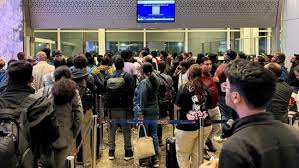
By late evenings, terminals in Delhi, Mumbai and Bengaluru resembled emergency shelters. Senior citizens slept on the floor, families waited with crying children, and passengers who used wheelchairs were left unattended after midnight as staff operations wound down amid waves of cancellations.
Airport authorities confirmed that 110–140 IndiGo flights were being cancelled nightly at major hubs alone. Call centres were overwhelmed, hotel accommodation was unavailable, and automated refund messages replaced human assistance. With alternative airlines operating at full capacity, passengers had no escape routes, revealing that the monopoly had left the system with no redundancy.
Monopoly Under Scrutiny as Parliament, Government Step In
The scale of disruption triggered protests in Parliament, with MPs warning that India’s emergency mobility had been placed at the mercy of one private airline. Aviation experts termed the episode a textbook case of structural vulnerability created by a monopoly.
The crisis was triggered primarily by the enforcement of new FDTL pilot rest norms, which IndiGo failed to prepare for despite months of advance notice adequately. A weekend A320 software advisory further aggravated delays, while a tightly stretched workforce and aggressive winter expansion exposed planning failures.
Facing mounting outrage, the DGCA rolled back a strict FDTL clause temporarily to ease crew rostering, while ordering IndiGo and other airlines to ensure:
- Immediate passenger refunds
- Priority handling of medical cases
- Restoration of minimum humanitarian facilities at airports
Pilot unions blamed IndiGo management for lean staffing, hiring freezes, and ignoring repeated warnings about compliance readiness. The IndiGo meltdown has now moved beyond aviation into a national policy alarm on monopolies in essential services. From hospitals to homes, classrooms to cremation grounds, the failure of a single airline did not just delay flights—it disrupted lives at scale. It exposed the dangers of over-centralised private control in public mobility.