



Listen To This Post
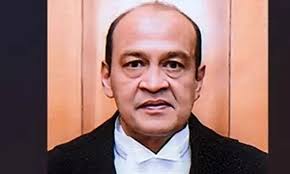
New Delhi: More than a year after a major controversy over the recovery of unaccounted cash from his official residence, Yashwant Varma on Friday resigned as a judge of the Allahabad High Court, submitting his resignation to President Droupadi Murmu.
With this move, Justice Varma effectively avoids a potential parliamentary impeachment process that had been set in motion following serious allegations of judicial accountability.
Background: Cash Recovery Triggered Crisis
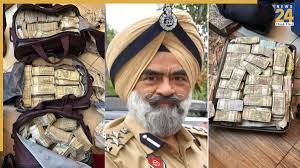
The controversy dates back to March 14, 2025, when unaccounted cash was recovered from Justice Varma’s official residence in Delhi, where he was then serving as a judge of the Delhi High Court. The incident sparked a nationwide debate on transparency and accountability within the judiciary.
Following the development, then Chief Justice of India Sanjiv Khanna constituted a three-member inquiry committee on March 22, 2025, under the Judges Inquiry framework to investigate the matter.
Subsequently, Justice Varma was transferred to the Allahabad High Court.
Parliamentary Action and Legal Battle
As the issue escalated, Lok Sabha Speaker Om Birla admitted a motion seeking his removal and set up another three-member committee under the Judges Inquiry Act, 1968, to probe the allegations.
Justice Varma challenged this move in the Supreme Court of India, but the court rejected his plea and allowed the parliamentary proceedings to continue. Facing the possibility of impeachment and with limited legal options remaining, Justice Varma chose to resign from his post.
Implications
The resignation brings an abrupt end to one of the most high-profile judicial controversies in recent times. While it halts the immediate impeachment process, it also means that Parliament will not proceed with removal proceedings, which are otherwise rare and constitutionally significant. The episode has once again highlighted concerns over judicial accountability mechanisms, internal oversight, and transparency in the higher judiciary, issues that continue to remain in public and institutional focus.