




Listen To This Post
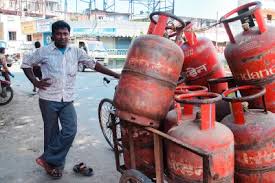
New Delhi/ Chandigarh: Domestic cooking gas prices were raised by ₹60 per cylinder on Saturday, marking the second increase in less than a year, as oil companies passed on part of the surge in global energy prices triggered by the escalating conflict in West Asia.
According to the Indian Oil Corporation , the price of a 14.2-kg non-subsidised LPG cylinder—commonly used by households—has increased from ₹862 to ₹922 in Chandigarh, effective March 7.
The hike will also impact beneficiaries of the Pradhan Mantri Ujjwala Yojana, under which more than 10 crore economically weaker households have received free LPG connections since 2016. After accounting for the ₹ 300-per-cylinder subsidy for up to 12 refills annually, Ujjwala beneficiaries will now pay ₹613 per cylinder.
This is the second increase in LPG prices in the past 11 months; the last hike was announced in April last year, when prices were raised by ₹50 per cylinder.
Commercial LPG is also costlier
Alongside the domestic LPG hike, the price of commercial LPG cylinders used by hotels, restaurants and other establishments has also been increased. A 19-kg commercial LPG cylinder will now cost ₹1,883 in Delhi, up ₹114.5 per cylinder.
This hike comes on top of a ₹ 28-per-cylinder increase implemented on March 1, bringing the total rise in commercial LPG prices this year to ₹302.50 per cylinder.
Global energy crisis behind price surge
Industry officials attributed the increase primarily to the sharp spike in global energy prices following the escalating conflict in West Asia after the US and Israeli attacks on Iran last weekend.
The conflict has severely disrupted tanker movement through the strategically vital Strait of Hormuz. This narrow sea passage serves as a crucial corridor for oil and gas exports from Middle Eastern producers to global markets.
With shipping activity through the Strait slowing dramatically, global oil and gas prices have surged. Since the conflict began on February 28, US crude prices have jumped 35.63 per cent, marking the largest weekly gain in the futures contract’s history since 1983. West Texas Intermediate (WTI) futures closed at $90.90 per barrel, while Brent crude climbed nearly 28 per cent to $92.69 per barrel, its biggest weekly gain since April 2020.
The turmoil has also affected natural gas markets. Asian spot LNG prices have surged to around $25.40 per million British thermal units (MMBtu)—a three-year high and more than double last week’s levels of around $10 per MMBtu—amid fears of supply disruptions and halted exports from key producers such as Qatar.
Impact on LPG supply
The LPG market has tightened significantly as shipments from major Gulf exporters face logistical disruptions, pushing international propane and butane benchmark prices higher and raising concerns over supply availability for large importing countries like India.
Despite the latest hike, industry officials maintained that cooking gas prices in India remain among the lowest compared to neighbouring countries.
Strategic importance of the Strait of Hormuz for India
The disruption in the Strait of Hormuz carries major implications for India’s energy security. Nearly half of India’s crude oil imports pass through the strait. In addition, about 40 per cent of the country’s natural gas imports, mainly in the form of LNG from Gulf nations such as Qatar and the UAE, transit through the same route.
The Strait is even more critical for LPG supplies. India consumed 31.3 million tonnes of LPG in 2024-25, but domestic production accounted for only 12.8 million tonnes, leaving the country heavily dependent on imports.
Of the imported LPG, around 85–90 per cent comes from Gulf countries such as Saudi Arabia, whose shipments typically pass through the Strait of Hormuz.
The government invokes emergency measures.
Amid fears of supply shortages following the escalation in the region, the government on Friday invoked rarely used emergency powers to direct domestic oil refineries to increase LPG production to augment supplies and cushion the impact of global disruptions on the domestic market.