


Listen To This Post
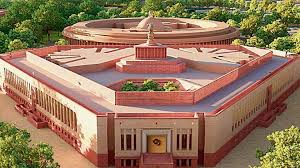
New Delhi: The Parliament’s winter session was adjourned on Friday, bringing it to an abrupt close and effectively shelving a much-anticipated discussion on Delhi’s worsening air pollution crisis. Both the Lok Sabha and the Rajya Sabha were adjourned indefinitely, denying Members of Parliament the opportunity to raise urgent concerns over the severe public health emergency gripping the Delhi National Capital Region (NCR).
The debate on air pollution had been scheduled for the final day of the Lok Sabha session, with Congress MP Priyanka Gandhi Vadra, DMK leader Kanimozhi Karunanidhi, and BJP MP Bansuri Swaraj expected to participate. The MPs were set to flag alarming spikes in PM2.5 and PM10 levels, and their growing link to respiratory ailments, cardiovascular diseases and long-term health risks.
Public Health Crisis Left Unaddressed
Over the past several weeks, Delhi has consistently recorded “very poor” to “severe” air quality, with dense smog disrupting visibility, transport and daily life. Children, the elderly and those with pre-existing health conditions have been particularly vulnerable, prompting repeated advisories and restrictions.
Environmental experts and public health activists have urged the government to take more decisive legislative and executive action, including stricter enforcement of vehicular emission norms, better management of construction dust, industrial pollution, and crop residue burning in neighbouring states.
Political and Public Backlash
The adjournment without a debate has triggered criticism both politically and online, with opposition leaders and civil society groups accusing the government of failing to prioritise an issue affecting millions.
With Parliament adjourned, legislative scrutiny and accountability for one of the country’s most pressing environmental challenges are now deferred, even as pollution levels continue to threaten public health across the NCR. The Winter Session’s premature closure has thus left a crucial national issue unresolved—at a time when urgency, not adjournment, was expected.