



Listen To This Post
Punjab retains the highest sugarcane price in India; approvals span yoga trainers, hospital upgrades, urban land reforms and Japan-backed horticulture push.
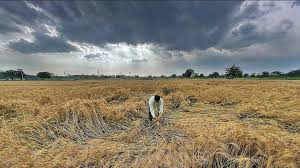
Chandigarh: Farmers were at the heart of a high-impact Cabinet meeting on Tuesday as the Punjab Cabinet approved a ₹68.50 per quintal direct subsidy for sugarcane growers out of the State Agreed Price (SAP), reinforcing Punjab’s position as the highest sugarcane price–paying state in the country.
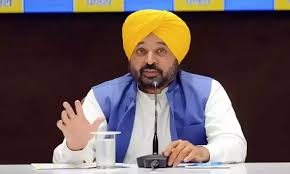
The decisions were taken at a meeting of the Council of Ministers chaired by Chief Minister Bhagwant Mann, which also cleared a slate of reforms covering public health, fitness, urban governance, service rules and crop diversification—signalling a decisive, outcome-driven policy push.
Highest cane price, stronger income security
Disclosing the Cabinet’s decisions, the Chief Minister’s Office said the ₹68.50 subsidy per quintal—out of the fixed SAP—will be paid directly to sugarcane farmers on behalf of private sugar mills for the crushing season 2025–26. Punjab already offers the country’s highest SAP at ₹416 per quintal, up ₹15 from last year. The move ensures timely payments and further strengthens income security for cane growers.
Public health & wellness: 1,000 yoga trainers
As part of the government’s sustained focus on preventive healthcare, the Cabinet approved 1,000 additional posts of yoga trainers under the CM di Yogshala initiative. A budgetary provision of ₹35 crore will be made in FY 2026–27 to promote fitness and wellness across the state.
Hospital upgrades via BFUHS
To strengthen healthcare delivery, the Cabinet approved the complete transfer of select hospitals—Civil Hospitals at Badal (Muktsar) and Khadur Sahib (Tarn Taran), the Community Health Centre at Jalalabad, and the Tertiary Care Centre at Fazilka—to Baba Farid University of Health Sciences. The move is expected to improve diagnostics and treatment by leveraging the university’s advanced infrastructure and expertise.
Urban governance & land reforms
The Cabinet cleared the formulation and notification of directives under Section 4 of the Punjab Management and Transfer Municipal Act, 2020, enabling the transfer of municipal properties belonging to state departments, boards, corporations, and PSUs for public purposes. A district-level committee headed by the Deputy Commissioner will recommend allotments, subject to state approval, aimed at uniformity, faster development, and the prevention of land misuse.
To unlock stalled projects and improve urban planning, a policy was approved for the sale or exchange of abandoned/active paths (rastas) and watercourses (khals) within government-licensed projects inside municipal limits.
PAPRA extension & FAR charges
The Cabinet approved a one-year extension for PAPRA-licensed projects (January 1 to December 31, 2026) at an extension fee of ₹25,000 per acre per year, for up to three years, under existing terms. It also approved the formula for additional FAR charges for properties to be auctioned from January 2026 onward, along with amendments to Para 10.2 of the e-auction policy (February 20, 2025), making revised provisions applicable to all future auctions by development authorities.
Service rules clarity
Amendments to the Punjab Civil Services (General and Common Conditions of Service) Rules, 1994 were approved by inserting Rule 6A, stipulating that eligibility cut-off dates (including educational qualifications) will be the last date of application, unless specified otherwise—bringing clarity and uniformity to recruitment.
Japan-backed horticulture diversification
In a forward-looking move on crop diversification, the Cabinet approved collaboration with the Japan International Cooperation Agency to introduce Japanese technology in horticulture, cold chain, water management and skill development, to double horticulture’s share in Punjab’s economy. Together, the decisions underline a governance agenda that prioritises farmer incomes, preventive health, efficient urban management and diversification-led growth.