


Listen To This Post
Chandigarh: The Punjab government’s proposal to expand its flagship ‘atta-dal’ welfare scheme by adding dal, sugar, tea leaves, mustard oil and turmeric has run into serious resistance from the cash-strapped finance department, which has flagged concerns over the growing burden of freebies on the state exchequer.
Highly placed sources in the Aam Aadmi Party (AAP) government said the food department’s proposal was sent to the finance department for approval. Still, it returned with strong reservations, advising the government to focus on asset creation instead of rolling out additional doles.
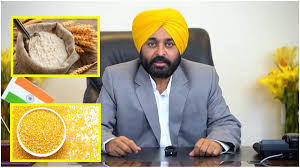
At present, under the ‘Atta-Dal’ scheme, around 40 lakh beneficiary families in Punjab receive 5 kg of wheat per family member every month free of cost. The government was considering expanding this basket to include 2 kg of dal, 2 kg of sugar, 1 kg of tea leaves, 1 litre of mustard oil and 200 grams of turmeric per family every month. However, the expanded scheme would have placed an additional annual burden of ₹800 crore to ₹1,000 crore, raising concerns about its sustainability.
Finance Department Pushes Back on Freebie Expansion
A senior government functionary said the food minister Lal Chand Kataruchak has pushed for at least sugar to be added to the scheme, but the final call is still pending.“Freebies do not mean much when the state is already spending over ₹22,000 crore annually on welfare subsidies, including free electricity, free bus travel for women and various social schemes. Adding more items to the ration basket will only deepen the fiscal stress,” the official said.
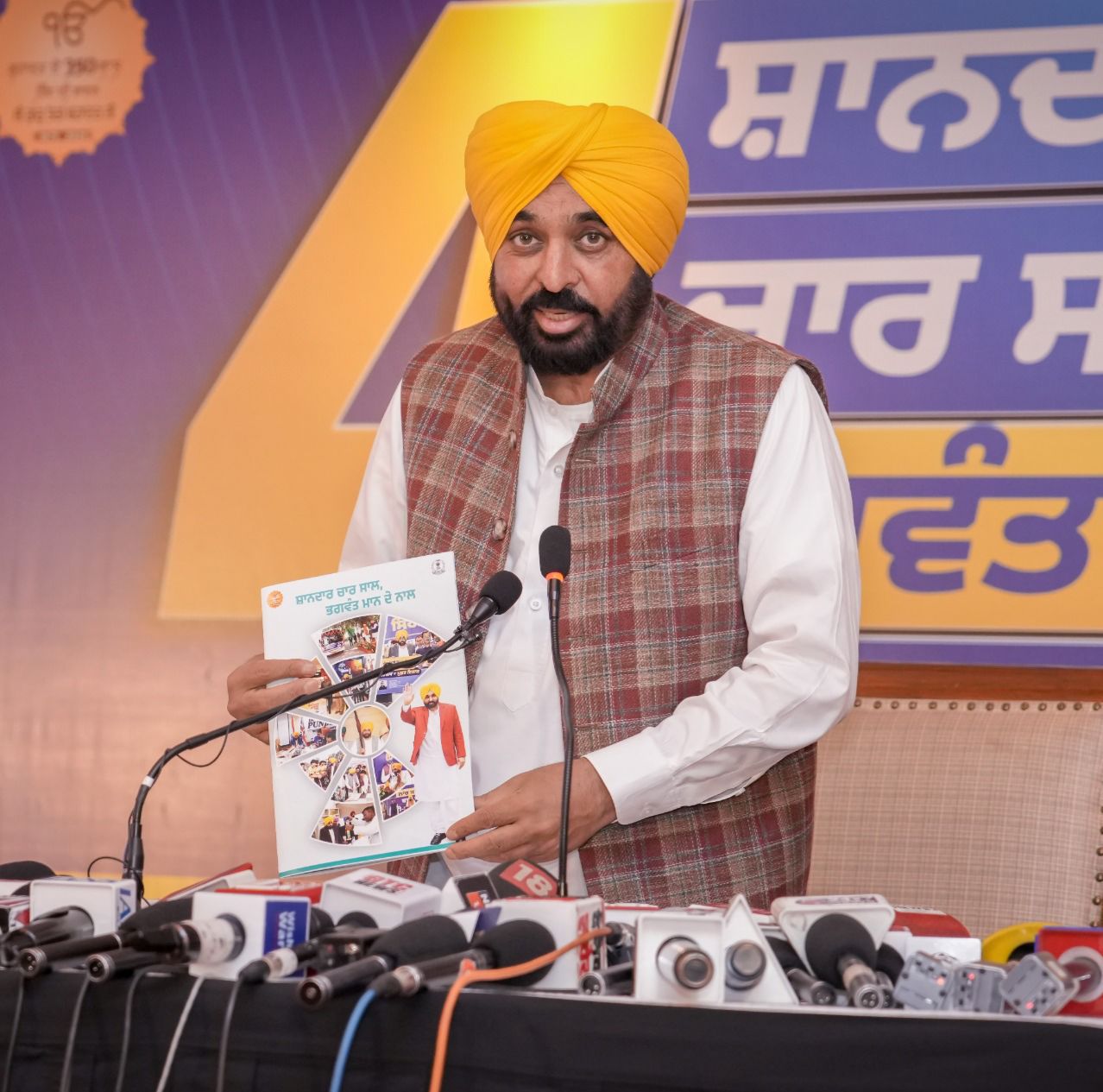
The AAP government had initially planned to start distributing the additional food items from April 2026, but the proposal now appears stalled. Punjab Finance Minister Harpal Cheema confirmed that no final decision has been taken so far. “A meeting on this issue was scheduled on November 27, but it could not be held as the concerned ministers were preoccupied. We will convene the meeting soon,” Cheema said.
A Politically Sensitive Scheme with a Long History
The ‘atta-dal’ scheme has strong political roots in Punjab. It was first launched in 2007 by the erstwhile SAD-BJP government, following a pre-poll promise ahead of the Assembly elections. Then, Chief Minister Parkash Singh Badal announced wheat at ₹4 per kg and chana dal at ₹20 per kg for low-income families.
In 2013, the scheme was revamped under the National Food Security Act (NFSA), after which subsidised wheat was converted into free wheat distribution for beneficiaries. Currently, beneficiaries receive free wheat, while the Punjab government bears the transport costs of ₹50–60 crore annually.
Eligibility under the scheme is determined based on annual income criteria and surveys that identify eligible households for ration cards. Dal, however, has been distributed only sporadically under the scheme. The Congress government, too, had promised free dal and tea leaves before the 2017 elections, but the pledge remained unfulfilled due to financial constraints.
Mounting Legacy Liabilities Add to the Burden
Even before NFSA came into force—when the state government had to bear the entire cost of wheat procurement—the scheme had left behind outstanding dues of nearly ₹900 crore. That liability remains unpaid, with the Punjab State Civil Supplies Corporation Limited (PUNSUP), the nodal agency for wheat procurement, currently paying interest of ₹5.25 crore every month on the pending amount. With legacy liabilities, rising subsidy bills and shrinking fiscal space, the finance department’s resistance to further expansion of the scheme has brought into focus the growing tension between populist welfare promises and Punjab’s fragile financial health.