




Listen To This Post
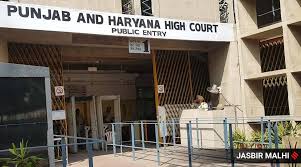
Chandigarh: The Punjab and Haryana High Court on Friday extended its interim order restraining the alienation of properties belonging to the Punjab State Power Corporation Limited (PSPCL), directing that the protection would remain in force at least until March 13, the next date of hearing.
The Division Bench headed by Chief Justice Sheel Nagu made it clear that the earlier order barring transfer or disposal of PSPCL’s immovable assets would continue, even as the Punjab government sought its vacation, claiming the proposed transfer was part of a development initiative.
State Defends Move as Development Policy, Not Sale
Appearing for the state, Advocate-General Maninderjit Singh Bedi argued that the government was not selling PSPCL properties but transferring them for residential and commercial development in line with a 30-year-old policy.
“We are not selling the property. It is being transferred for development purposes. We want to develop the State,” he submitted, adding that PSPCL had recently recorded a profit of Rs 6.215 crore.
The state also contended that the public interest litigation (PIL) was largely based on a news report and lacked authenticated documents to substantiate the claim that PSPCL was alienating assets due to financial distress.
Court Flags Massive Outstanding Dues, Seeks Detailed Reply
The court, however, noted the petitioner’s contention that PSPCL was facing severe financial strain due to outstanding dues of Rs 2,582.24 crore owed by various Punjab government departments, along with over Rs 10,000 crore in pending power subsidy payments.
Observing that such financial pressures could potentially force the corporation to dispose of assets, the Bench held that the matter prima facie fell within the ambit of public interest.
Rejecting the state’s preliminary objection on maintainability for now, the court directed the government to file a detailed reply supported by documentary evidence, including balance sheets demonstrating PSPCL’s financial health. The Bench clarified that the question of maintainability would remain open for further consideration but ordered continuation of the interim stay to prevent any irreversible action until the next hearing.