





Listen To This Post
New OFTEC unit to streamline extradition, INTERPOL coordination; 60 Punjabi gangsters hiding abroad, 21 Red Corner Notices pending
Chandigarh: In a decisive move to counter rising transnational crime, the Punjab Police has announced the creation of a dedicated Overseas Fugitive Tracking & Extradition Cell (OFTEC) to track, arrest and bring back foreign-based gangsters and terrorists orchestrating criminal activities in Punjab.
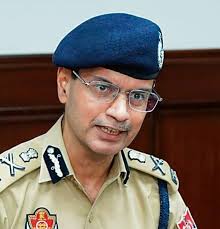
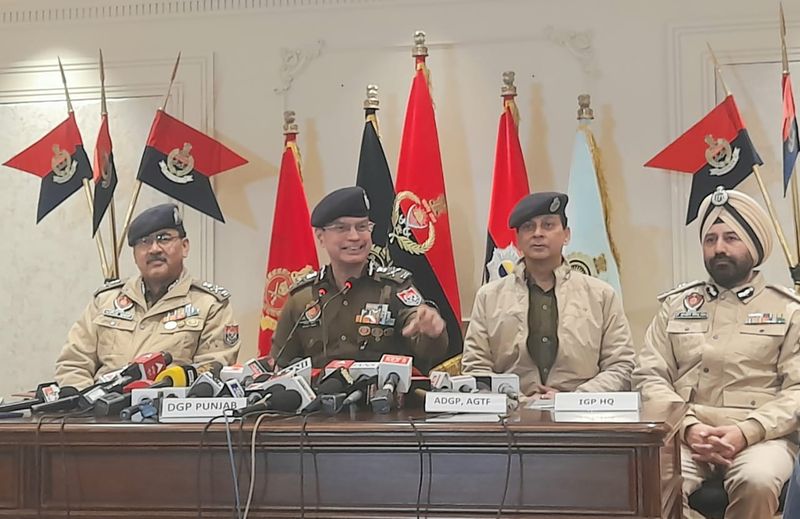
Announcing the initiative, Director General of Police Gaurav Yadav said the new cell aims to institutionalise and streamline international police cooperation while plugging long-standing procedural gaps in cases involving terrorism, organised crime, cyber offences, economic crimes and human trafficking networks.
According to police estimates, nearly 60 Punjabi gangsters are currently hiding in foreign countries, particularly Canada and the United States. The DGP said Red Corner Notices have already been issued against 21 fugitives, with the process underway for others.
Centralised support for international cases
As per an official order issued by the Punjab Police, OFTEC will provide specialised, centralised assistance to investigating officers across the state. Its mandate includes the preparation and processing of INTERPOL notices, extradition and deportation requests, Mutual Legal Assistance Requests (MLARs) and Letters Rogatory (LRs).
The order notes that ad hoc handling of international cooperation at the district or police station level has often resulted in deficiencies, delays, and non-compliance with international treaties and protocols—issues the new cell seeks to eliminate.
To ensure uniformity and accountability, all Punjab Police units have been directed to route their international cooperation proposals exclusively through OFTEC, with investigating officers mandated to extend full cooperation. The directive has come into force with immediate effect.
Leadership and structure
OFTEC will function under the supervision of Ashish Choudhary, IPS, who has been designated the State Nodal Officer for International Police Cooperation. Choudhary recently returned to Punjab after a seven-year deputation with the National Investigation Agency.
The core team includes senior officers with domain expertise:
-
Gurmeet Chauhan (DIG, Anti-Gangster Task Force),
-
Akhil Chaudhary (DIG, Anti-Narcotics Task Force),
-
Kamaldeep Singh (DIG, Bureau of Intelligence), and
-
D. Sudarvizhi (AIG, Counter Intelligence).
These officers will focus on intelligence gathering on fugitives’ locations, coordination with central and foreign agencies, and ensuring compliance with directions issued by the police headquarters and the Union government.
Infrastructure, training focus
Structurally, OFTEC has been divided into three functional desks: a Drafting Desk and a Coordination Desk. The cell will operate from dedicated office space at the Counter Intelligence headquarters, supported by secure digital infrastructure, encrypted systems, and protected internet/VPN facilities.
Training forms a key pillar of the initiative. The order mandates compulsory induction training for all OFTEC personnel, along with periodic workshops in collaboration with the Ministry of Home Affairs, Ministry of External Affairs, Interpol NCB-India, NIA, UNODC, and other relevant institutions. Officers will be sensitised to handling cyber evidence, conducting financial investigations, and navigating complex international legal procedures. With OFTEC, Punjab Police has signalled a more structured, technology-enabled and globally coordinated push to dismantle overseas crime syndicates and ensure that fugitives abroad are no longer beyond the reach of Indian law.