



Listen To This Post
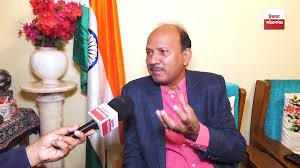
Chandigarh: Former IAS officer and Punjab senior BJP leader S.R. Laddhar on Sunday said that the recent statement of former Congress MLA Navjot Kaur Sidhu has completely exposed the moral collapse of the Congress, as she alleged that the Chief Minister’s post in Punjab is decided through a ₹500-crore deal.
Reacting sharply, Laddhar said the remark that “whoever gives ₹500 crore becomes the Chief Minister” is not a political allegation by the BJP but a confession from within the Congress itself. “This statement proves that the Congress has turned the CM’s chair into an auction. If money decides leadership, then democracy has been reduced to a business deal,” he said.
Ticket-Selling Allegations Resurface
Laddhar said the statement also revives earlier suspicions surrounding the appointment of former Chief Minister Charanjit Singh Channi, when similar talks of financial bidding had surfaced within political circles. He added that long-standing allegations of Congress selling Assembly tickets in Punjab now appear even more credible.
“This exposes the internal working of the Congress where money matters more than merit, experience or public trust. Big posts are allegedly bought, not earned. This is institutionalised corruption,” he said.
BJP Demands Accountability
The BJP leader demanded immediate clarification from the Congress high command on whether Navjot Kaur Sidhu’s statement is true or false. “If it is false, why is she not being questioned by her party? If it is true, then it is a serious crime and must be probed through an independent high-level investigation,” he said, also urging the Election Commission to take note as the issue strikes at the foundations of democracy.
Questioning the silence of Punjab Congress president Raja Warring, Laddhar said, “Why is the Congress quiet on the ₹500-crore charge? Why is there no denial? The silence itself raises serious doubts.” Concluding, he said, “Punjab does not want a corrupt, deal-driven Congress. It wants honest, transparent and people-centric governance.”