





Listen To This Post
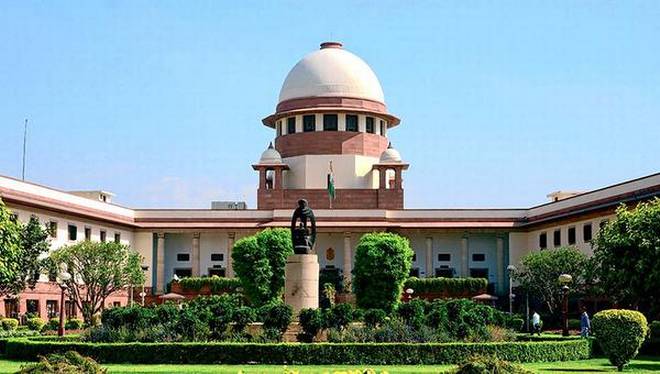
New Delhi: The Supreme Court of India has cautioned litigants and lawyers against relying on AI-generated, non-existent judgments, describing the trend as a growing menace affecting courts globally.
A Bench of Justices Rajesh Bindal and Vijay Bishnoi observed that such instances are now “rampant in all courts”, not just in India but worldwide, and stressed the need for greater caution.
Case Triggered by Fake Citation
The court was hearing a special leave petition filed by the director of Heart and Soul Entertainment Ltd, who sought the removal of adverse remarks made by the Bombay High Court.
The High Court had earlier found that submissions in a case under the Maharashtra Rent Control Act included a non-existent judgment generated using ChatGPT, which could not be traced despite efforts by the court and its staff. It had imposed a ₹50,000 cost on the appellant, directing the amount to be deposited in the High Court Employees Medical Fund.
SC Expunges Remarks, Issues Warning
While expunging the High Court’s remarks against the petitioner, the Supreme Court refrained from delving into explanations. Still, it underlined that the issue is systemic and global, requiring vigilance from all stakeholders.
Courts Call for Strict Action
The Bombay High Court had strongly criticised the practice, stating that submitting irrelevant or fabricated material hampers the judicial process. “This is not assistance to the court… it is a hurdle in swift delivery of justice,” it had observed, warning that such conduct could invite costs and even action by the Bar Council.
Wider Concern Over AI Misuse
The top court has already taken note of similar incidents:
- On March 2, it issued a notice to the Attorney General, Solicitor General and the Bar Council of India to explore ways to tackle the issue
- Earlier, it expressed concern over AI-generated evidence in matrimonial disputes, noting the increasing misuse of technology to fabricate claims
Growing Judicial Challenge
The observations highlight an emerging challenge for the judiciary in the age of artificial intelligence: courts are increasingly confronted by fabricated citations, documents, and evidence, raising questions about credibility, ethics, and due diligence in legal proceedings.