



Listen To This Post
Top court orders status quo on power supply amid allegations of violations of pollution norms; relief to continue for a week even after the High Court verdict.
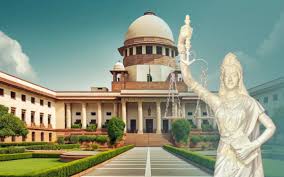
New Delhi: In a significant interim relief to the Punjab Kesari newspaper group, the Supreme Court of India on Tuesday directed that the group’s printing presses shall continue to function uninterruptedly, notwithstanding the decision of the Punjab State Pollution Control Board to disconnect electricity supply over alleged violations of pollution norms.
A bench headed by Chief Justice Surya Kant took urgent cognisance of the plea after the newspaper group contended that the publication of several editions of the vernacular daily would be severely affected if power supply to its printing presses was snapped.
Appearing for the Punjab Kesari group, senior advocate Mukul Rohatgi sought an urgent hearing, submitting that the actions taken against the group were a direct fallout of critical reportage against the present dispensation. “Our newspaper should not stop because of an article. Our press electricity will be disconnected,” Rohatgi told the court while mentioning the matter.
He further alleged that electricity supply to the printing presses had been cut “because of an article published in Punjab Kesari against the present government,” adding that hotels owned by the group were also shut and FIRs registered against the owners.
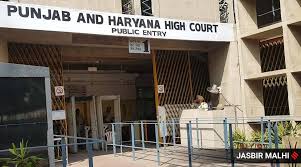
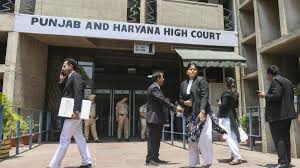
The senior counsel informed the bench that the Punjab and Haryana High Court had already heard the group’s petition and had reserved its verdict, but no interim relief was granted.
After briefly hearing the submissions, the Supreme Court passed a protective order, stating: “Without prejudice to the rights of both sides, and without expressing any view on the merits of the matter, it is directed that the printing presses of Punjab Kesari shall continue uninterruptedly, and status quo shall be maintained about other properties.”
Counsel appearing for the Aam Aadmi Party-led Punjab government opposed the plea, submitting that the newspaper group was found to violate pollution control norms, which necessitated action by the Pollution Control Board.
The Supreme Court, however, clarified that its interim protection allowing the printing presses to operate would continue for one week even after the Punjab and Haryana High Court pronounces its verdict on the pending plea.
The order is being seen as a reprieve for the newspaper group, ensuring uninterrupted publication. At the same time, the legal battle over alleged regulatory violations and claims of vendetta continues in the High Court.