






Listen To This Post
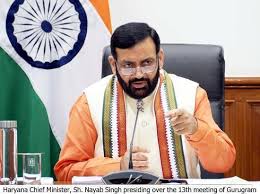
Chandigarh: In a significant policy push, the Haryana Cabinet, chaired by Chief Minister Nayab Singh Saini, on Wednesday approved a series of major reforms spanning employment, housing, public distribution, legal framework and rural development, aimed at strengthening governance and inclusivity in the state.
A key decision includes the approval of the Agniveer Policy, 2024, under which the state enhanced horizontal reservation for Ex-Agniveers from 10% to 20% in government posts such as Forest Guard, Warder and Mining Guard. The move is aimed at ensuring rehabilitation and employment for trained youth exiting the armed forces, while leveraging their discipline and skillset in public services.
In another major reform, the Cabinet approved amendments to strengthen the Public Distribution System (PDS) by introducing stricter eligibility norms and improving transparency. Notably, 33% reservation for women in Fair Price Shop (FPS) licences will now be implemented on a roster basis, with preference given to vulnerable categories such as widows, single mothers, and self-help groups. The licensing process will also be digitised through the SARAL portal, and minimum qualification and beneficiary norms have been revised to enhance accountability.
Addressing the needs of an ageing population, the Cabinet approved amendments to the Retirement Housing Policy, increasing the permissible Floor Area Ratio (FAR) from 2.25 to 3.0 under the Transferable Development Rights (TDR) framework. The move is expected to boost the development of retirement housing colonies with improved infrastructure and facilities.
The Cabinet also approved a legal amendment to the Punjab Courts Act, 1918, replacing outdated references to repealed laws with the Indian Succession Act, 1925, thereby removing ambiguity and ensuring consistency in judicial processes.
In a move to facilitate infrastructure and private projects, amendments to the Haryana Village Common Lands (Regulation) Rules, 1964, were cleared, allowing passage through shamlat (common) land for projects lacking access. The policy mandates community consent and compensatory land transfer, while ensuring that such passages remain under panchayat ownership for common use.
Collectively, these decisions reflect the state government’s focus on employment generation, women empowerment, urban planning reforms, legal clarity and ease of doing business, while balancing social welfare and development priorities.