




Listen To This Post
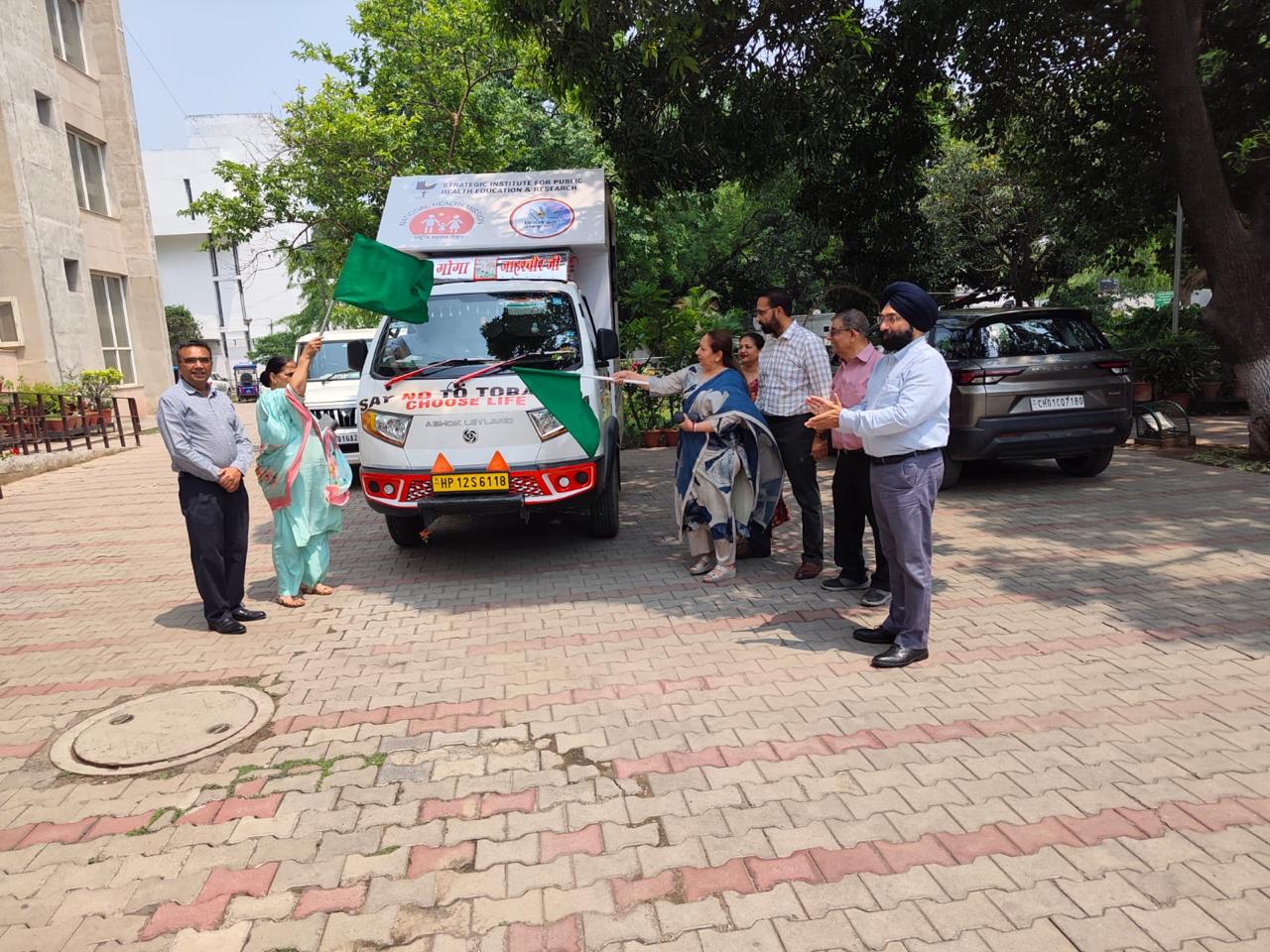
CHANDIGARH: In a major public health initiative aimed at protecting young people from tobacco and nicotine addiction, Suman Singh on Tuesday launched the “Youth Action for Tobacco-Free Campuses” campaign at Government Multi-Speciality Hospital, Sector 16.
The campaign is being organised by the Department of Health and Family Welfare, Chandigarh Administration, in collaboration with the Strategic Institute for Public Health Education and Research (SIPHER), with support from the World Health Organisation South-East Asia Region and in partnership with GSA Mohali and Postgraduate Institute of Medical Education and Research’s Regional Cancer Centre Tobacco Control unit.
Campaign aligned with World No Tobacco Day 2026
Speaking at the launch, Dr Suman Singh said the month-long campaign is being conducted as part of activities linked to World No Tobacco Day 2026, observed annually on May 31.
She said the World Health Organisation has announced the 2026 theme as “Unmasking the Appeal – Countering Nicotine and Tobacco Addiction.”
According to Singh, the campaign seeks to expose how tobacco and nicotine industries increasingly target children and adolescents through attractive packaging, flavoured products, sleek marketing strategies, e-cigarettes and nicotine pouches.
Focus on protecting youth from modern nicotine products
Dr Singh highlighted that one of the major concerns globally is the rising use of modern nicotine products among teenagers and school-going children.
She explained that the campaign aims to expose how new-age nicotine products are intentionally designed to attract young users through appealing flavours, trendy branding and misleading claims portraying them as harmless or innovative alternatives.
“The campaign focuses on youth protection by highlighting how tobacco and nicotine products are engineered to hook a new generation,” she said.
She added that the initiative would also advocate stricter regulations on advertising, flavouring and packaging of tobacco and nicotine products to reduce their appeal among adolescents.
Alarming global statistics
Citing global data, Dr Singh said the tobacco and nicotine crisis among young people had become increasingly alarming.
She pointed out that nearly 40 million children aged between 13 and 15 years worldwide currently use tobacco products, while approximately 15 million adolescents in the same age group are estimated to be using e-cigarettes.
She noted that the 2026 campaign builds upon earlier efforts to expose tobacco industry tactics and further strengthens the push to counter nicotine addiction among youth.
Mobile awareness van to cover educational institutions
Speaking on the occasion, Dr Rakesh Gupta said tobacco consumption continues to remain one of the leading preventable causes of disease and premature death globally.
He observed that adolescents and young people are especially vulnerable to tobacco initiation because of peer pressure, easy availability of products and limited awareness regarding health risks.
As part of the month-long awareness drive, Gupta announced that a specially equipped mobile publicity van with audio-visual facilities would be deployed for 15 days across Chandigarh.
The van is expected to visit nearly 16 educational institutions and major public places in the city to spread awareness regarding the harmful effects of tobacco and nicotine products.
Focus on tobacco-free educational institutions.
Gupta said the campaign’s key objective is to strengthen the implementation of Tobacco-Free Educational Institution (ToFEI) guidelines and ensure better compliance with anti-tobacco laws, including provisions of the Cigarettes and Other Tobacco Products Act (COTPA).
The initiative also aims to increase awareness among students, teachers and communities regarding the dangers associated with tobacco consumption and nicotine addiction.
Multi-pronged awareness activities planned
The campaign will include a range of activities such as:
- Multi-stakeholder consultations on strengthening tobacco-free educational institutions
- Youth leadership programmes focused on tobacco-free campuses
- Public awareness drives through audio-visual mobile outreach vans
- Educational announcements and short films on tobacco harms
- Display of posters, banners and awareness material
- Direct interaction with students and community members
Officials said the broader goal of the campaign is not only to discourage tobacco use among youth but also to build long-term community awareness against the growing influence of nicotine products targeting adolescents.