




Listen To This Post
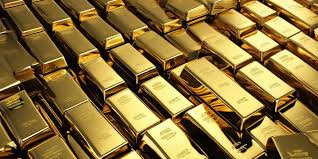
CHANDIGARH: Amid mounting concerns over India’s rising import bill and pressure on foreign exchange reserves due to the ongoing West Asia crisis, the Centre on Wednesday sharply increased import duties on gold and silver to 15 per cent from the earlier 6 per cent.
The move comes days after Narendra Modi publicly appealed for austerity measures, including curbing gold purchases, reducing fuel consumption and postponing foreign travel, in an effort to conserve foreign exchange amid escalating geopolitical tensions.
Duty hike effective from May 13
According to a notification issued by the Ministry of Finance, the government has increased the social welfare surcharge (SWS) and agriculture infrastructure and development cess (AIDC), effectively raising the overall customs duty on gold and silver imports to 15 per cent from May 13 onwards.
The decision is aimed at discouraging excessive imports of precious metals at a time when India’s external account is coming under strain due to surging oil, fertiliser and energy-related import costs linked to the ongoing regional conflict.
Gold imports hit record high
India’s gold imports surged by more than 24 per cent to a record USD 71.98 billion during 2025-26 despite a marginal decline in import volumes.
According to official data, gold imports in physical terms fell 4.76 per cent to 721.03 tonnes during the financial year. However, the sharp rise in global bullion prices pushed the import bill to historic highs.
Gold prices climbed from USD 76,617.48 per kilogram in FY25 to USD 99,825.38 per kilogram in FY26, significantly increasing India’s foreign exchange outgo.
Domestic gold, silver prices surge
The rising international uncertainty and policy changes have also sharply impacted domestic bullion markets.
In New Delhi, gold prices jumped by Rs 1,500 — nearly 1 per cent — to Rs 1,56,800 per 10 grams on Tuesday compared to the previous day’s closing level of Rs 1,55,300.
Silver prices recorded an even sharper spike, rising by Rs 12,000 or 4.53 per cent to Rs 2,77,000 per kilogram.
Globally, however, bullion prices witnessed some correction. Spot gold declined by around 1 per cent to USD 4,692.64 per ounce, while silver fell over 3 per cent to USD 83.49 per ounce.
Return to 2022-style import restrictions
The latest increase effectively restores gold import taxation levels similar to those imposed in 2022, when India had raised duties to 15 per cent to control the current account deficit amid economic disruption caused by the Russia-Ukraine War and a weakening rupee.
In contrast, the Union Budget for 2024-25 had reduced customs duty on gold to 6 per cent in an attempt to support the domestic gems and jewellery sector, reduce smuggling and bring down local prices.
India under pressure from West Asia conflict
The decision comes at a time when India is facing growing economic stress from the ongoing US-Iran conflict and the effective closure of the strategically crucial Strait of Hormuz.
India imports nearly 60 per cent of its LPG requirement, and around 90 per cent of these supplies pass through the Strait of Hormuz, making the country particularly vulnerable to disruptions in the region.
Apart from oil and gas, fertiliser and shipping costs have also surged due to the conflict, intensifying pressure on inflation and India’s balance of payments position.
Rupee hits record low
Reflecting market concerns, the Indian rupee touched a record low of 95.63 against the US dollar on Tuesday.
V Anantha Nageswaran described the ongoing crisis as a “live balance of payments stress test” with direct implications for inflation, exchange rates and the current account deficit.
The balance of payments measures the difference between foreign exchange inflows and outflows over a given period.
Modi calls for austerity measures
Addressing a rally organised by the Telangana BJP in Hyderabad earlier this week, Prime Minister Modi had urged citizens to adopt austerity measures to conserve foreign exchange reserves.
He appealed to people to postpone non-essential gold purchases, reduce petrol and diesel consumption, use metro rail services, adopt carpooling, increase use of electric vehicles and prefer railway freight transport.
He also encouraged work-from-home practices wherever possible to help reduce fuel demand amid the geopolitical crisis.
Impact on jewellery sector, consumers
The sharp hike in import duties is expected to increase domestic gold and silver prices further, potentially affecting consumer demand during the upcoming festive and wedding seasons.
Industry experts believe the move may temporarily slow bullion imports but could also revive concerns over illegal smuggling if the price gap between domestic and international markets widens significantly.
India remains the world’s second-largest consumer of gold after China, with demand driven largely by jewellery consumption, investment demand and cultural traditions.