





Listen To This Post
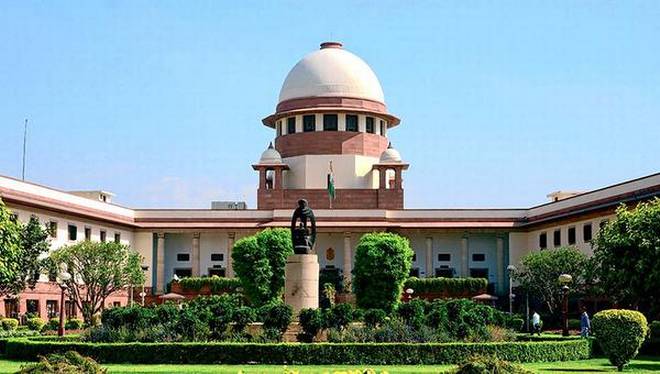
New Delhi: The Supreme Court of India on Monday expressed deep concern over the rising menace of “digital arrest” scams, observing that even well-educated individuals are being duped into losing their life savings under the psychological pressure exerted by cyber fraudsters.
A Bench led by Chief Justice of India Surya Kant and Justice Joymalya Bagchi described the trend as “shocking” after being informed of multiple cases where victims were coerced into transferring large sums of money. “Shockingly, well-educated people are getting duped like this,” the Bench remarked, highlighting the alarming scale and sophistication of such frauds.
Real-life case underscores severity
The Chief Justice referred to a recent case of an older woman who lost her entire retirement savings after falling victim to such a scam. The court noted that fraudsters exploit fear and authority by posing as officials from law enforcement agencies, courts, or investigative bodies.
Attorney General R Venkataramani informed the court that the government is moving swiftly, with inter-departmental consultations already underway to address the issue. The matter has now been listed for further hearing on May 12.
What is ‘digital arrest’?
“Digital arrest” is an emerging form of cybercrime in which scammers impersonate police officers, CBI officials, or court authorities via video or audio calls. Victims are falsely told they are under investigation or “arrest,” and are psychologically pressured into transferring money to avoid legal action.
Senior advocate NS Nappinai, assisting the court as amicus curiae, pointed out that victims often “freeze” under fear, making them vulnerable to manipulation. She suggested introducing a “kill-switch” mechanism through banks and digital intermediaries to halt suspicious transactions in real time.
Mounting losses, urgent need for safeguards
The court has repeatedly flagged the scale of cyber fraud in India, noting earlier that over ₹54,000 crore has been siphoned off through digital scams, calling it nothing short of “robbery or dacoity.”
In previous hearings, the court had:
- Directed the Centre to frame a standard operating procedure (SOP) with the RBI and telecom authorities
- Ordered a CBI probe into digital arrest cases nationwide
- Asked banks and intermediaries to take proactive preventive measures
- Called for a framework to ensure compensation for victims
The issue gained urgency after shocking cases, including one involving a retired banker allegedly defrauded of over ₹23 crore and another in Haryana where an elderly couple was extorted using forged court orders.
A growing national threat
The court’s observations underline that digital arrest scams are no longer isolated incidents but a systemic cyber threat that exploits fear, technology, and institutional impersonation.
With the next hearing scheduled for May, the Supreme Court is expected to push for concrete safeguards, faster response mechanisms, and accountability measures