




Listen To This Post
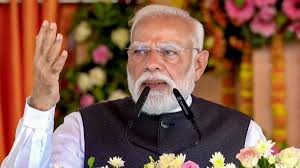
New Delhi: Prime Minister Narendra Modi on Monday described the Bharatiya Janata Party’s sweeping victory in West Bengal as a defining political moment, calling it a “triumph of people’s power” and a resounding endorsement of the party’s governance model. In a detailed message following the results, Modi said the 2026 Assembly elections would be “remembered forever” for marking a decisive shift in Bengal’s political trajectory.
A Mandate Beyond Numbers: ‘Jan Shakti’ Over Political Entrenchment
Framing the outcome as more than just an electoral win, Modi emphasised that the verdict reflected the collective will of the people overcoming entrenched political structures.
“The people have given a spectacular mandate to the BJP,” he said, adding that the result symbolised the victory of aspirations for development, dignity, and inclusive governance. According to the Prime Minister, the mandate is not merely political—it represents a deeper churn in public expectations, where voters have chosen governance performance over legacy politics.
He reiterated that the BJP government would focus on delivering equal opportunities, social dignity, and development-driven growth across all sections of society, signalling a governance agenda aimed at both economic expansion and social inclusion.
End of a Political Era, Beginning of a New Narrative
The Prime Minister’s remarks come against the backdrop of a historic shift in Bengal’s political landscape, where the BJP has, for the first time, secured a commanding position in a state long dominated by regional and Left forces.
By describing the victory as “memorable,” Modi positioned it as a turning point not just for Bengal but also for national politics, especially in eastern India, where the BJP has been steadily expanding its footprint. The result also carries ideological resonance for the party, given Bengal’s historical association with nationalist leaders and political movements.
Karyakartas at the Core: ‘Struggles Across Generations’
A significant portion of Modi’s message was dedicated to BJP’s grassroots workers. He credited the victory to “countless karyakartas” who, he said, had worked tirelessly over decades, often in adverse political conditions.
“I salute them all,” Modi said, highlighting how party workers had consistently taken the BJP’s development agenda to the people despite challenges. This acknowledgement underscores the party’s long-term organisational strategy in Bengal—building cadre strength at the grassroots level before achieving an electoral breakthrough.
Governance Promise: From Mandate to Delivery
Looking ahead, Modi assured that the BJP would strive to translate the electoral mandate into tangible governance outcomes. The focus, he said, would be on fulfilling the aspirations of Bengal’s people by ensuring transparency, development, and inclusive growth.
The emphasis on “opportunity and dignity” suggests a policy direction that combines infrastructure development with welfare outreach—an approach the BJP has adopted in several states.
A Political Signal Beyond Bengal
Beyond the state, the Prime Minister’s statement signals a broader political narrative: that the BJP’s governance model is gaining acceptance even in regions historically resistant to it. The Bengal verdict, in this sense, becomes both a regional milestone and a national message—reinforcing the party’s ambition to reshape India’s political geography.