


Listen To This Post
Industry officials said the latest increase reflects a partial pass-through of surging international crude oil prices caused by the ongoing geopolitical crisis in West Asia and disruptions in global energy supply chains.
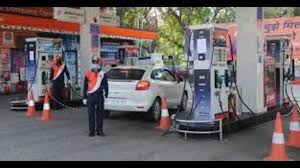
CHANDIGARH: In a major development likely to impact household budgets and transportation costs across the country, petrol and diesel prices were increased by Rs 3 per litre on Friday, ending a prolonged freeze in fuel price revisions maintained by state-owned oil marketing companies.
The latest revision comes amid rising global crude oil prices triggered by escalating tensions in West Asia and growing pressure on domestic oil retailers who had largely kept retail fuel prices unchanged for almost four years despite sharp international market fluctuations.
New fuel prices in major cities
Following the hike, petrol prices in New Delhi increased from Rs 94.77 to Rs 97.77 per litre, while diesel prices rose from Rs 87.67 to Rs 90.67 per litre, according to industry sources.
Revised petrol prices across key cities are as follows:
| City | Petrol Price | Increase |
|---|---|---|
| Chandigarh | Rs 94.30 | +Rs 3.00 |
| Delhi | Rs 97.77 | +Rs 3.00 |
| Himachal Pradesh | Rs 94.20 | +Rs 2.80 |
| Kolkata | Rs 108.74 | +Rs 3.29 |
| Mumbai | Rs 106.68 | +Rs 3.14 |
| Chennai | Rs 103.67 | +Rs 2.83 |
Revised diesel prices are:
| City | Diesel Price | Increase |
|---|---|---|
| Chandigarh | Rs 82.45 | +Rs 3.00 |
| Delhi | Rs 90.67 | +Rs 3.00 |
| Himachal Pradesh | Rs 86.26 | +Rs 2.71 |
| Kolkata | Rs 95.13 | +Rs 3.11 |
| Mumbai | Rs 93.14 | +Rs 3.11 |
| Chennai | Rs 95.25 | +Rs 2.86 |
End of prolonged fuel price freeze
The increase marks the first major upward revision in fuel prices since April 2022, when daily fuel price revisions were effectively suspended amid extreme volatility in global crude oil markets following the Russia-Ukraine War.
Although the Centre had announced a one-time reduction of Rs 2 per litre in petrol and diesel prices in March 2024, ahead of the Lok Sabha elections, retail rates had remained largely unchanged despite significant swings in global crude oil prices.
Rising crude oil prices behind hike
Industry officials said the latest increase reflects a partial pass-through of surging international crude oil prices caused by the ongoing geopolitical crisis in West Asia and disruptions in global energy supply chains.
According to industry estimates, international crude oil prices, which averaged around USD 69 per barrel in February, have now climbed sharply to over USD 113–114 per barrel.
The spike has significantly increased the financial burden on state-run oil retailers, including Indian Oil Corporation, Bharat Petroleum Corporation Limited and Hindustan Petroleum Corporation Limited.
Oil companies are under financial pressure.
Officials and industry experts indicated that public-sector oil marketing companies had been absorbing substantial input cost pressures for an extended period to shield consumers from volatile international prices.
During the 2022–23 financial year, these companies reported significant under-recoveries as crude prices soared while domestic retail prices remained frozen.
Although margins improved temporarily when international crude prices softened later, the renewed escalation in oil prices due to the West Asia crisis has once again tightened profitability and made sustained price stability difficult.
Likely impact on inflation and consumers
The fuel price hike is expected to have a cascading impact on transportation, logistics and commodity prices, potentially adding to inflationary pressures already being felt in several sectors.
Higher diesel prices, in particular, are likely to affect freight movement, agriculture and supply chains, while increased petrol prices will directly impact daily commuting costs for consumers.
Economists say the revision may also influence food prices and retail inflation in the coming weeks if transportation costs continue to rise.
The government is balancing economic pressures.
The hike comes at a time when the Centre is grappling with mounting external economic pressures caused by the ongoing West Asia conflict, rising oil import costs and strain on India’s foreign exchange reserves.
Prime Minister Narendra Modi had recently urged citizens to adopt fuel-saving measures, reduce non-essential travel and conserve foreign exchange amid the geopolitical crisis and rising import bill.