





Listen To This Post
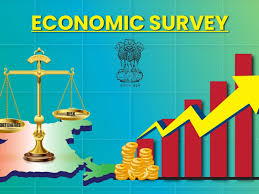
New Delhi: India has successfully met its medium-term fiscal consolidation commitment by reducing the fiscal deficit to 4.8 per cent of GDP in FY25 and setting a further target of 4.4 per cent for FY26, the Economic Survey 2025-26 revealed. This marks the fulfilment of the government’s long-stated objective of halving the fiscal deficit from its pandemic-era peak in FY21, underscoring a steady return to fiscal discipline.
Reflecting growing global confidence in the Indian economy, the Survey noted that India received sovereign credit rating upgrades from S&P Global Ratings (to BBB), Morningstar DBRS, and Japan-based Rating and Investment Information (R&I). Significantly, this is the first upgrade from a major international rating agency in nearly two decades, a development seen as a strong endorsement of India’s macroeconomic stability and reform trajectory.
On the growth front, the Survey projected that India’s economy would expand by 7.4 per cent in FY26, followed by growth of 6.8-7.2 per cent in FY27. The momentum, it said, would be driven by sustained regulatory reforms, a resilient macroeconomic foundation, and a renewed push for private sector investment to complement public spending.
Inflation trends have been particularly encouraging. Headline consumer price inflation (CPI) fell to a record low of 1.7 per cent during April–December 2025, largely due to a sharp moderation in food prices. The Survey also highlighted that retail headline inflation softened from 5.4 per cent in FY24 to 4.9 per cent in April–December 2024, aided by targeted government interventions and calibrated monetary policy actions.
Despite headwinds from higher US tariffs and global uncertainties, India’s external sector remained resilient. Merchandise exports grew by 2.4 per cent during April–December 2025, while services exports posted a stronger growth of 6.5 per cent in the same period. Merchandise imports rose by 5.9 per cent, reflecting robust domestic demand and investment activity.
By sector, the pharmaceutical industry remained a major growth driver. In FY25, the sector’s annual turnover touched Rs 4.72 lakh crore, with exports recording a compound annual growth rate (CAGR) of 7 per cent over the past decade, from FY15 to FY25. Infrastructure development also remained a key focus area, with the government identifying a public-private partnership pipeline of 13,400 km of highway projects worth Rs 8.3 lakh crore to be executed over the next three years.
Foreign investment sentiment showed signs of revival as well. Gross foreign direct investment (FDI) inflows increased to $55.6 billion in the first eight months of FY25, up from $47.2 billion in the corresponding period of FY24, registering a year-on-year growth of 17.9 per cent.
Public capital expenditure has continued its sharp upward trajectory, rising from Rs 5.93 trillion in FY22 to Rs 11.21 trillion in FY26, equivalent to 3.1 per cent of GDP. While this sustained public spending has played a critical role in supporting growth and crowding in investment, the Survey cautioned that achieving long-term development goals would require a decisive pivot towards higher private investment.
Looking ahead, the Economic Survey emphasised that to realise the vision of a “Viksit Bharat” by 2047, India must sustain an average growth rate of around 8 per cent at constant prices for at least 10 to 20 years. Achieving this, it said, would hinge on continued reforms, enhanced manufacturing capacity, stronger private sector participation, and macroeconomic stability over the long run.