






Listen To This Post
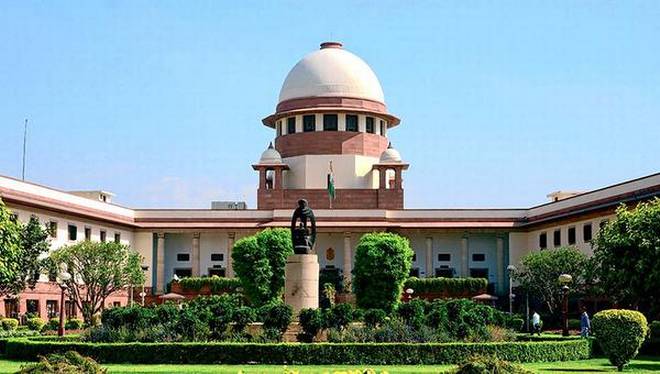
New Delhi: In a striking observation that raises larger questions about evidence handling in criminal cases, the Supreme Court of India has expressed surprise over currency notes—allegedly seized as bribe money—being destroyed by rodents, even as it suspended the sentence of a Bihar woman officer convicted in a corruption case and granted her bail.
Top Court’s Sharp Remark: ‘Explanation Does Not Inspire Confidence’
A Bench comprising Justice J B Pardiwala and Justice K V Viswanathan did not mince words while reacting to the explanation that rodents had eaten the seized cash in a police malkhana (storage room for case property).
“We are taken by surprise that the currency notes got destroyed by rodents… It’s a huge revenue loss for the State. The explanation also does not inspire any confidence,” the Bench observed, signalling serious concern over systemic lapses in preserving crucial evidence.
The court further indicated that it may examine the issue in detail during the final hearing, noting that such instances cannot be brushed aside lightly.
Acquittal to Conviction
The case dates back to 2014, when the officer—then serving as a Child Development Programme Officer—was accused of demanding and accepting a bribe of ₹10,000. She was prosecuted under the Prevention of Corruption Act, 1988.
While the trial court had acquitted her of all charges, the Patna High Court later reversed the acquittal, holding her guilty based on circumstantial evidence and sentencing her to:
- Four years’ rigorous imprisonment under Section 13(2)
- Three years’ rigorous imprisonment under Section 7
The High Court had ruled that even if the seized currency notes were not produced during trial—owing to their destruction—the prosecution’s case could still stand if other evidence established guilt beyond a reasonable doubt.
Malkhana Lapse: Evidence Lost, Questions Raised
According to records, the envelope containing the bribe money was duly entered in the police malkhana register. However, due to poor storage conditions and a lack of proper preservation systems, both the envelopes and the currency notes were allegedly destroyed by rodents.
This explanation, however, has now come under scrutiny, with the Supreme Court questioning how such critical evidence could be allowed to deteriorate in custody. The Bench also hinted at a broader issue—whether similar lapses may have occurred in other cases, potentially leading to loss of public money and weakening of prosecution evidence.
Relief for Now, Larger Issue Pending
In its April 24 order, the Supreme Court suspended the sentence imposed by the High Court and directed that the appellant be released on bail, subject to conditions set by the trial court.
At the same time, the Bench made it clear that the issue of destruction of evidence—particularly seized currency—will be examined in detail during the final hearing, indicating that the case could have wider ramifications for policing standards and evidence management across the country.
Beyond One Case: A Systemic Red Flag
While the immediate relief benefits the accused officer, the court’s observations point to a deeper institutional concern, the idea that critical evidence in corruption cases can be lost to negligence—or rodents—raises serious questions about accountability, chain of custody, and procedural safeguards.
As the Supreme Court takes a closer look, the outcome could potentially lead to stricter protocols for storage and preservation of seized property, ensuring that administrative lapses do not compromise justice.