



Listen To This Post
Chandigarh: The Punjab Cabinet on Saturday approved the Punjab Industrial and Business Development Policy, 2026, a comprehensive framework aimed at attracting fresh investment and accelerating industrial growth in the state through a mix of fiscal and non-fiscal incentives.
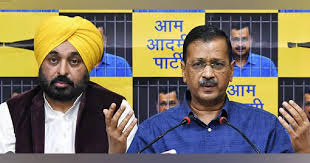
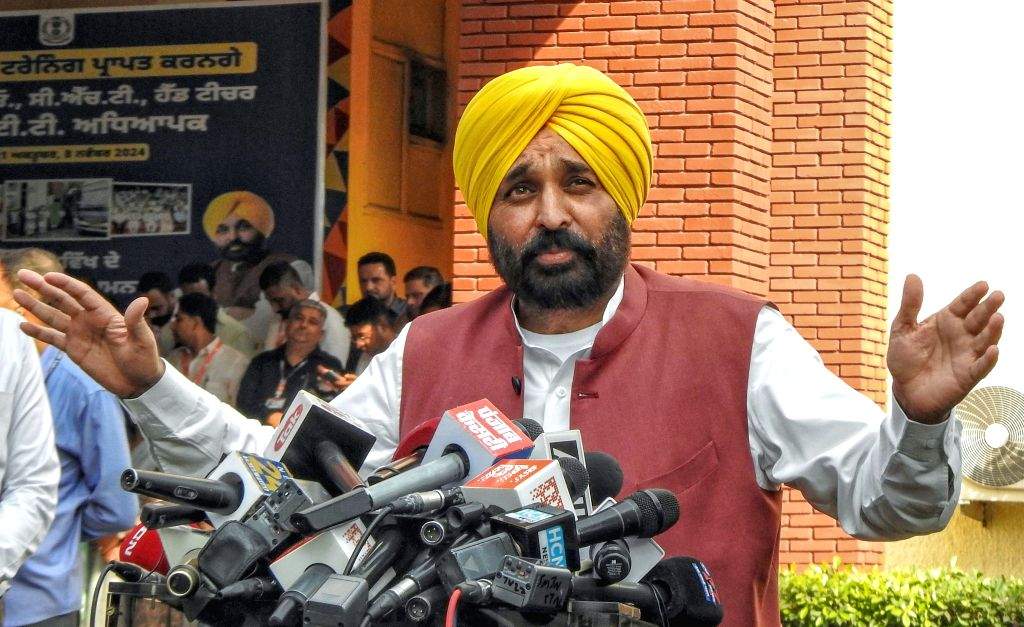
The decision was taken at a Cabinet meeting chaired by Chief Minister Bhagwant Mann, who described the policy as a major step toward strengthening Punjab’s industrial ecosystem and improving its competitiveness as an investment destination.
The new policy serves as an overarching framework supported by 24 sector-specific sub-policies, formulated after extensive consultations with industry stakeholders and experts from the respective sectors. It will be applicable not only to new investors but also to existing industrial units seeking to modernise or expand their operations.
A key highlight of the policy is the introduction of a customisable incentive structure. For the first time, investors will be able to select from 20 different incentive options to create a package suited to their business needs. The move is aimed at offering flexibility and making the incentive regime more responsive to diverse industrial requirements.
Among the major fiscal incentives introduced under the policy is a fixed capital subsidy of up to ₹20 crore for industries setting up Zero Liquid Discharge (ZLD) systems, encouraging environmentally sustainable manufacturing practices. In addition, a subsidy of ₹7.5 crore has been announced for industries shifting to paddy straw-based boilers, a measure expected to help tackle the persistent problem of stubble burning in the state.
The policy also provides a wide range of additional incentives, including freight subsidies, marketing assistance, support for research and development facilities, assistance for listing on the NSE Emerge platform, quality certification, patent registration support, and vendor development programmes. Industries will also benefit from exemption from canal water user charges, aimed at lowering operational costs.
Existing incentives available to investors—such as exemptions in State GST (SGST), stamp duty and electricity duty, along with employment generation subsidies—will continue under the new policy framework. The government has also extended the investor eligibility period from the earlier 7–10 years to 10–15 years, giving industries a longer window to avail benefits.
To drive sector-focused industrial growth, the policy has identified nine priority sectors that will receive special incentives. These include food processing, sports goods, textiles and allied industries, agro-waste processing, automobiles and auto components, electronics and semiconductors, information technology, electric vehicles, and defence and aerospace.
Industries in these sectors will be eligible for an additional 25 per cent incentive. The same enhanced incentive will also apply to industries set up in border districts and the Kandi region, reflecting the government’s effort to promote balanced regional development and generate employment in relatively underdeveloped areas.
The state government expects that the new industrial policy will not only attract fresh investments but also encourage existing businesses to upgrade technology, adopt environmentally sustainable practices and expand their manufacturing capacity, thereby strengthening Punjab’s industrial base.