




Listen To This Post
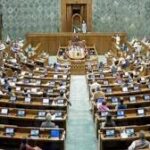
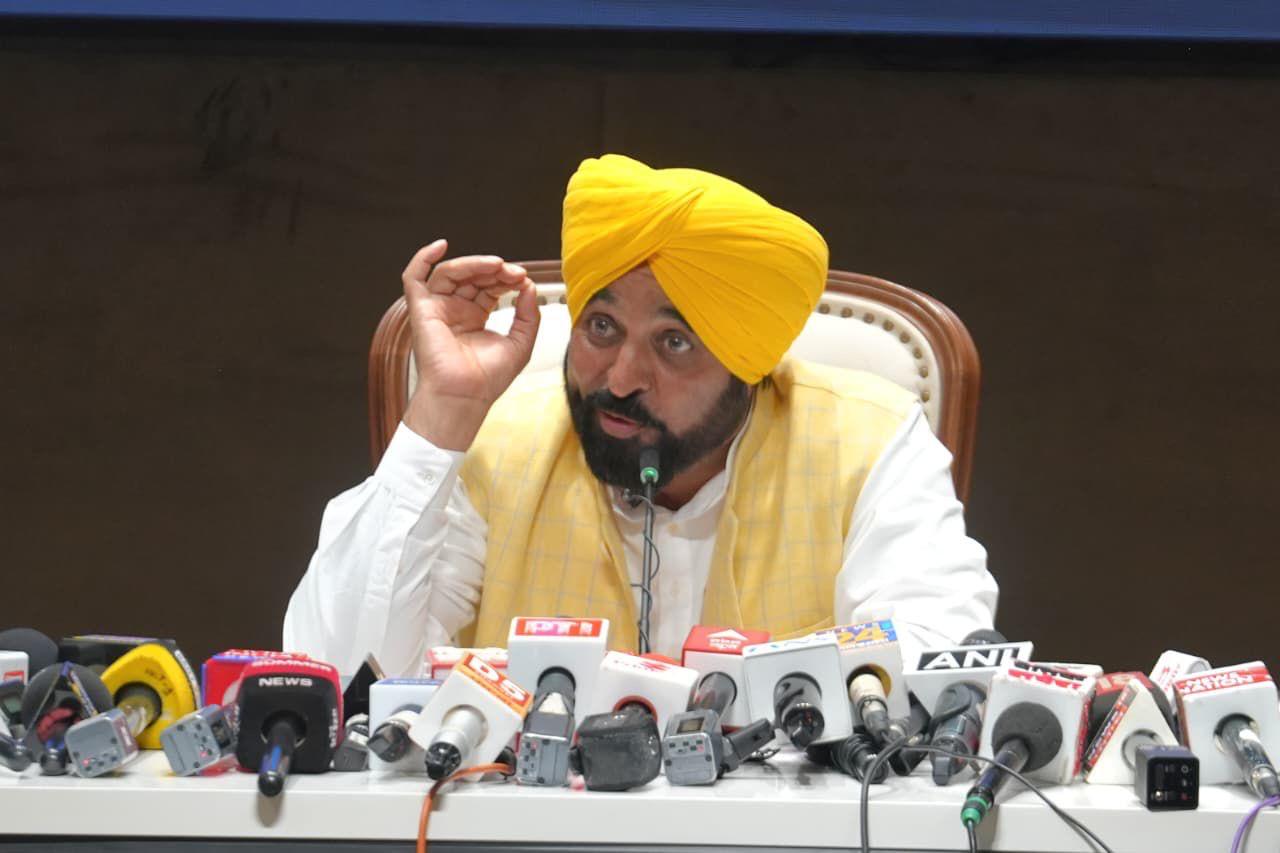
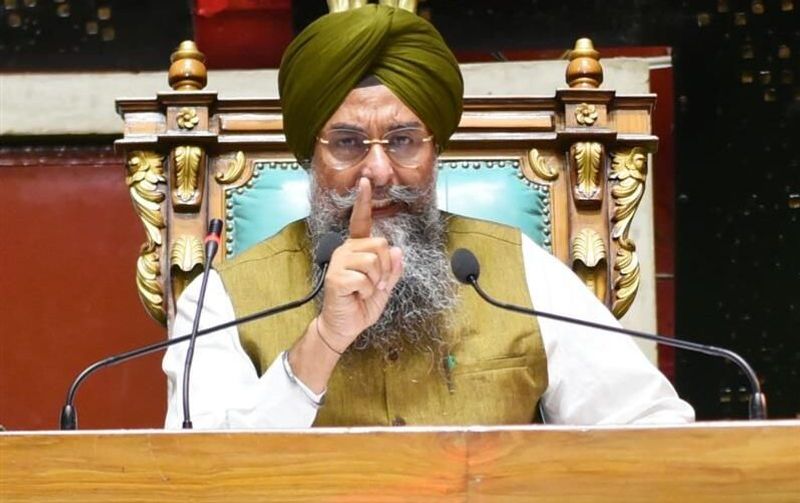
Chandigarh: In a significant legislative development, Punjab Vidhan Sabha Speaker Kultar Singh Sandhwan on Friday announced that a special session of the state Assembly will be convened on April 13 at 11 am — coinciding with Baisakhi, one of the most sacred and historically resonant days in Punjab’s calendar.
The Agenda: A Tougher Law Against Sacrilege
The sole and primary focus of the special session will be the introduction of a stringent new law targeting acts of sacrilege across the state. The proposed legislation is expected to prescribe stricter imprisonment terms and heavy fines for offenders, signalling a marked departure from the existing legal framework that many have long deemed inadequate.
The Speaker stated that the objective of the draft law is clear: “To protect the sanctity of all holy scriptures and religious sites while maintaining communal harmony.”
Cabinet Triggers the Call
The announcement follows a formal communication from the Punjab Cabinet to the Speaker, who has since summoned all Members of the Legislative Assembly for the special session. Sandhwan emphasised that the proposed legislation is a direct response to a long-standing public demand for justice and accountability in sacrilege cases. This demand has simmered across communities in Punjab for years without satisfactory legal redress.
SGPC Welcomes Intent, Seeks Transparency
The Shiromani Gurdwara Parbandhak Committee (SGPC), the apex body overseeing Sikh shrines, has welcomed the government’s intent to tighten anti-sacrilege laws. However, the committee stopped short of an unqualified endorsement, calling for greater transparency regarding the legal framework of the proposed legislation before it is enacted.
The Symbolism of Baisakhi
Perhaps the most telling aspect of this announcement is its timing. By scheduling the special session on Baisakhi — a day that marks both the harvest festival and the historic founding of the Khalsa Panth in 1699 — the AAP-led Punjab government is making a deliberate and pointed statement. The choice of date reflects the administration’s intent to signal decisive, faith-sensitive governance on an issue that has dominated the state’s socio-political landscape for years and continues to evoke deep public sentiment.
Whether the session translates into swift legislative action or sparks further political and religious debate remains to be seen. But with all MLAs summoned and the Cabinet’s backing firmly in place, the stage is set for what could be a watershed moment in Punjab’s ongoing reckoning with sacrilege and religious accountability.