


Listen To This Post
New Delhi: Prime Minister Narendra Modi on Monday shared a formative life lesson drawn from rural women in Gujarat, using the anecdote to strongly advocate for 33 per cent reservation for women in Parliament and state assemblies.
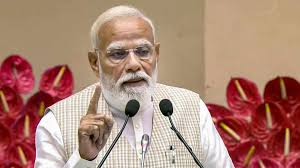
Addressing the Nari Shakti Vandan seminar in Delhi ahead of a key parliamentary debate on women’s reservation, Modi recalled an early experience from his tenure as Chief Minister of Gujarat, shortly after he succeeded Keshubhai Patel.
A Meeting That Left a Lasting Impact
Modi recounted how a delegation from Anand village had sought a meeting with him. Initially, he suggested they meet the panchayati affairs minister. Still, his interest was piqued when he learned that the delegation represented an all-women panchayat in which no male candidate had contested.
“What surprised me was that they came without any memorandum,” Modi said, noting that most delegations typically arrive with demands. When he asked the women about their plans for the village, their response left a deep impression on him.
“They said their mission was to ensure that no one in the village remains poor by the end of their tenure,” he said, adding that such a vision went beyond conventional development goals like roads or hospitals and reflected a deeper understanding of inclusive growth.
Empowering Women Economically
Drawing from his governance experience, Modi also spoke about a policy decision he took as Chief Minister to ensure financial autonomy for women. He said he had refused to allow earnings from women’s milk cooperatives to be transferred into the names of their husbands.
“I clearly said that the money will go to the women only,” he noted, highlighting the importance of direct economic empowerment.
Call for Greater Political Participation
Drawing on these experiences, the Prime Minister made a strong case for expanding women’s roles in governance, urging them to bridge the gap between grassroots leadership and national policymaking.
He said that women, who have already demonstrated leadership at the panchayat level, are fully capable of shaping decisions at higher levels, including Parliament.
Context: Push for Women’s Reservation
The remarks come at a time when Parliament is set to deliberate on legislation to reserve 33 per cent of seats for women in the Lok Sabha and state assemblies—a long-pending reform intended to enhance gender representation in Indian politics.
Modi’s speech sought to frame the issue not merely as a matter of representation but as a transformative shift in governance, rooted in real-life examples of women-led change at the grassroots level.