





Listen To This Post
Chandigarh: The Punjab government is set to roll out its flagship welfare initiative, the Mukh Mantri Mawan Dhiyan Satkar Yojana, today, marking a major step towards fulfilling the ruling Aam Aadmi Party’s promise of direct financial support to women. The scheme will provide ₹1,000 per month to women from the general category and ₹1,500 per month to women from Scheduled Caste (Dalit) families, aiming to strengthen financial security and empowerment at the household level.
Formal Launch and Political Significance
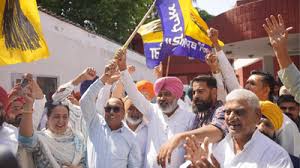
Chief Minister Bhagwant Mann will formally launch the scheme at Adampur today, with the government positioning it as a flagship social welfare programme. The event is being organised on a large scale, reflecting its political importance, particularly in mobilising women and Dalit voters ahead of future elections.
Massive Beneficiary Base and Timeline
The government is targeting around 90 lakh women beneficiaries across the state. While registration begins now, financial assistance is proposed to start from July, once the enrolment process is completed and verified.
Pilot Phase in 9 Constituencies
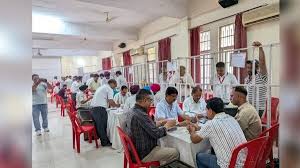
From Wednesday, registration will begin as a pilot project in nine Assembly constituencies:
- Adampur
- Malout
- Anandpur Sahib
- Dirba
- Sunam
- Kotkapura
- Moga
- Patiala Rural
- Batala
Women beneficiaries will be able to register by submitting basic documents, including:
- Aadhaar card
- Voter ID
- Bank passbook
However, serving or retired government employees and elected representatives (MLAs/MPs) are not eligible under the scheme.
Statewide Expansion from May 15
Following the pilot phase, the registration drive will be expanded to the remaining 108 Assembly constituencies from May 15, making it one of the largest direct benefit schemes for women in Punjab.
A Key Welfare Push
Announced earlier in the state Budget on March 8, the scheme is seen as a major socio-economic intervention aimed at enhancing women’s financial independence while strengthening the government’s welfare outreach.With its scale and targeted approach, the scheme is expected to have a significant impact on household incomes, particularly among economically weaker sections, while also reshaping the state’s welfare landscape.